
10 Surprising Weed Facts That Will Blow Your Mind
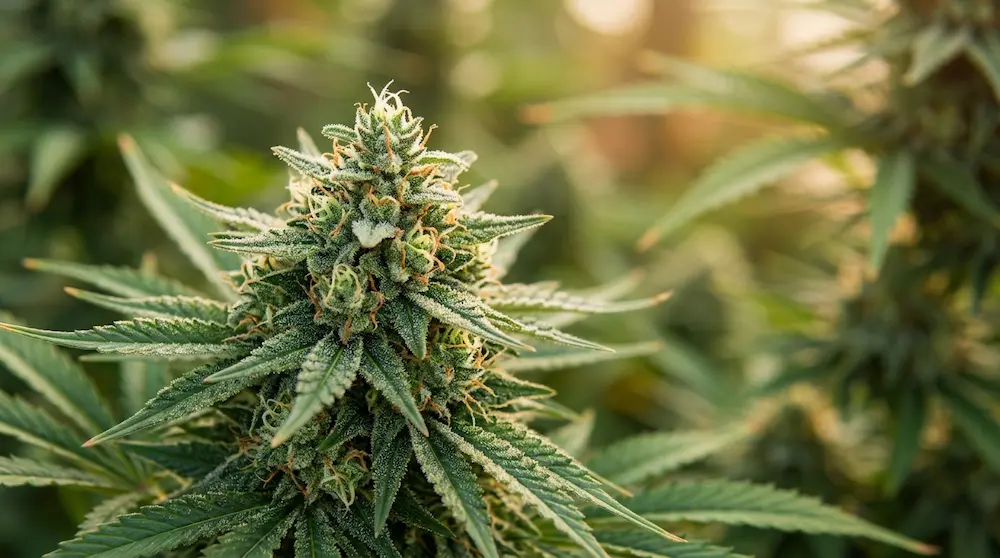
Whether you consider yourself a seasoned cannabis connoisseur or are simply curious about the plant's rich background, there is far more to cannabis than meets the eye. From ancient historical rituals to modern scientific breakthroughs, here are 10 of the most intriguing and surprising facts about weed.
1. Cannabis Has Been Used by Humans for Over 5,000 Years
Cannabis isn't a modern discovery. Archaeological evidence reveals that humans have cultivated cannabis since at least 3000 BCE in ancient Asia. Early civilizations utilized hemp for textiles, ropes, and paper, while ancient Chinese pharmacopoeias recorded its therapeutic applications as early as 2700 BCE.
2. Beer and Weed Are Evolutionary Cousins
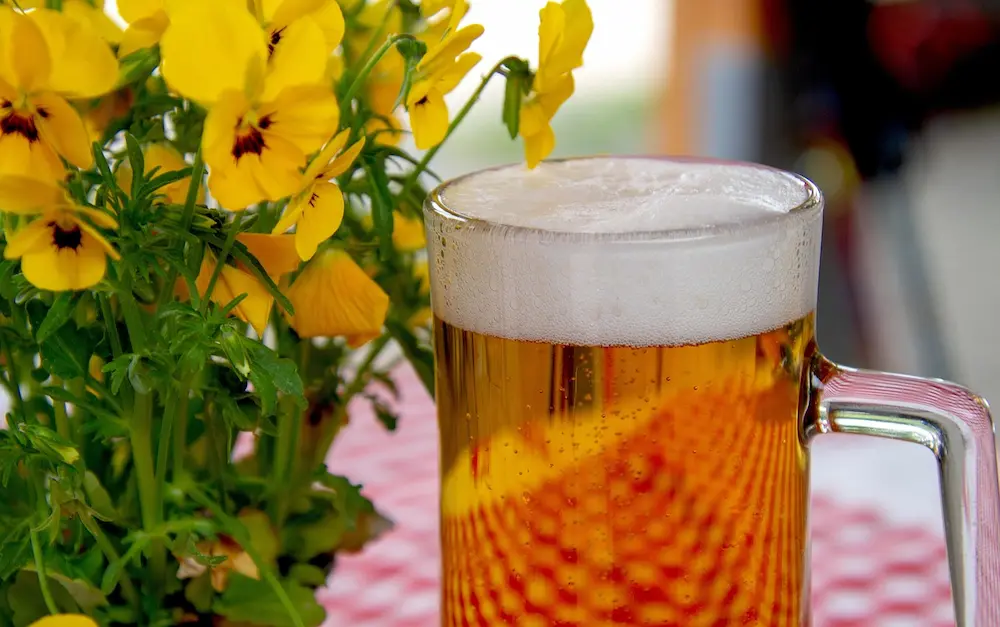
If you enjoy an ice-cold craft beer alongside your favorite cannabis strain, you are enjoying two members of the exact same botanical family: Cannabaceae. Hops (Humulus lupulus), the primary flavoring and bittering agent in beer, are close genetic relatives of cannabis plants and share similar aromatic terpene profiles.
3. The Very First E-Commerce Transaction Was a Bag of Weed
Long before Amazon or eBay existed, digital commerce had humble (and illegal) beginnings. In the early 1970s, students at Stanford University used ARPANET—an early precursor to the modern internet—to arrange the purchase of a bag of marijuana from students at MIT.
4. Your Body Produces Its Own "Cannabinoids"
You don't need to consume weed to have cannabinoids in your system! The human body features a complex cell-signaling network called the Endocannabinoid System (ECS). The body produces natural compounds called endocannabinoids—such as anandamide (often nicknamed the "bliss molecule")—which help regulate mood, sleep, pain response, and immune function.
5. There Are Over 100 Different Cannabinoids in the Plant
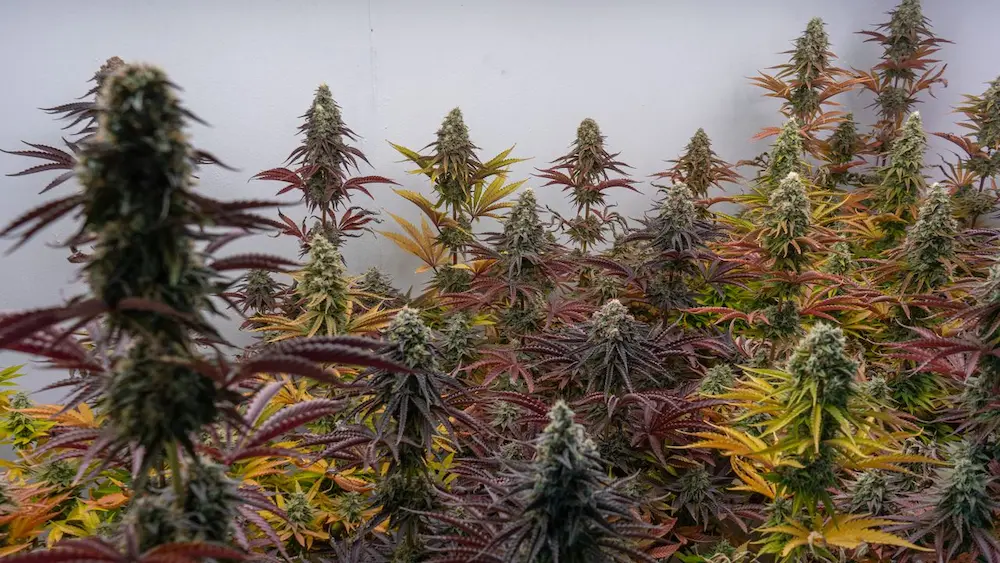
While THC (responsible for the psychoactive high) and CBD (known for relaxing non-intoxicating benefits) get most of the spotlight, they are only two players on a massive team. The cannabis plant produces more than 100 distinct cannabinoids, including lesser-known compounds like CBG, CBC, and THCV, each offering unique biological effects.
6. The Word "Canvas" Comes from "Cannabis"
The word "canvas" derives historically from the Anglo-French word canevaz and the Old French chanevaz, which literally translate to "made of hemp". For centuries, hemp fibers were the primary material used to weave durable sails for ships and sturdy canvases for classic oil paintings.
7. Shakespeare's Garden Showed Traces of Cannabis
Did the Bard write his masterpieces with a little green inspiration? In 2015, researchers from South Africa analyzed 17th-century tobacco pipes unearthed from William Shakespeare’s garden in Stratford-upon-Avon. Chemical analysis revealed traces of cannabis in several pipe fragments, suggesting that cannabis use was present in Renaissance England.
8. Queen Victoria Was Prescribed Medical Cannabis

During the 19th century, cannabis tinctures were widely recognized in European and American medicine. Sir Russell Reynolds, the personal physician to Queen Victoria, prescribed medical cannabis to the Queen in the late 1800s to help alleviate severe menstrual cramps.
9. Whole-Plant Extracts Work Better via the "Entourage Effect"
When it comes to cannabis, the whole is greater than the sum of its parts. Scientists have identified a phenomenon known as the Entourage Effect. This concept suggests that cannabinoids, terpenes, and flavonoids work synergistically together, producing a more balanced and effective experience than isolated THC or CBD compounds alone.
10. The Famous "Hollyweed" Sign Prank
In the early hours of New Year's Day in 1976, an art student named Danny Finegood used fabric tarps to alter the iconic "HOLLYWOOD" sign on Mount Lee in Los Angeles so it read "HOLLYWEED". The prank was done to celebrate a new California state law decriminalizing minor cannabis possession.