
Understanding Cannaoil: The Versatile Alternative to Cannabutter
Chek out our guide on : How to make cannabutter guide.
Cannabis edibles have evolved far beyond the classic, heavy-brownie recipes of decades past. While butter remains a staple for cookies and baked goods, modern culinary enthusiasts and medical patients alike are looking toward lighter, more versatile alternatives. Enter cannabis-infused cooking oil—commonly known as cannaoil.
Whether you want to drizzle a vibrant, herbal dressing over a crisp summer salad, whip up a savory vegetable stir-fry, or explore vegan and dairy-free baking, learning how to make cannabis oil opens up a world of culinary possibilities. Because plant-based and neutral oils can be used in everything from high-heat searing to delicate drizzles, cannaoil is quickly becoming a must-have staple in the modern pantry.
What is Cannabis-Infused Cooking Oil?
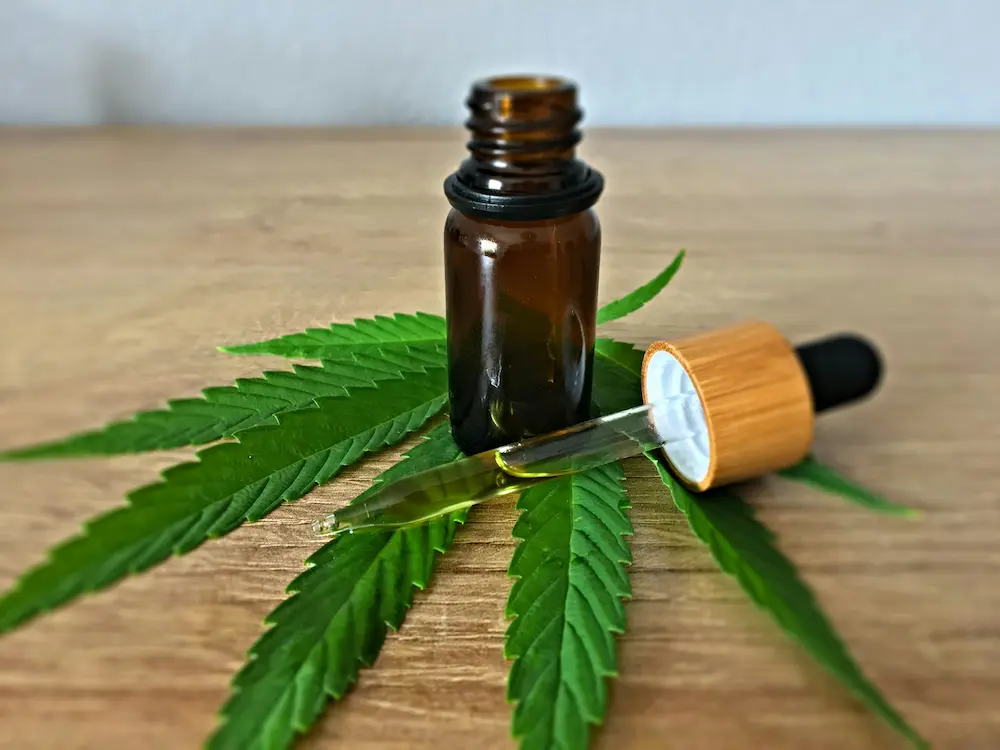
Cannabis oil is simply a culinary cooking oil—such as extra virgin olive oil, avocado oil, canola oil, or coconut oil—that has been infused with the active cannabinoids (such as THC and CBD) and aromatic terpenes found in the cannabis plant.
Unlike smoking or vaping, which delivers cannabinoids instantly via the lungs, ingested cannabis is processed by the liver. When cannabinoids pass through the digestive system and liver, delta-9-THC is converted into 11-hydroxy-THC, a compound known for producing a potent, long-lasting body-centric effect.
Why Coconut Oil is the Gold Standard
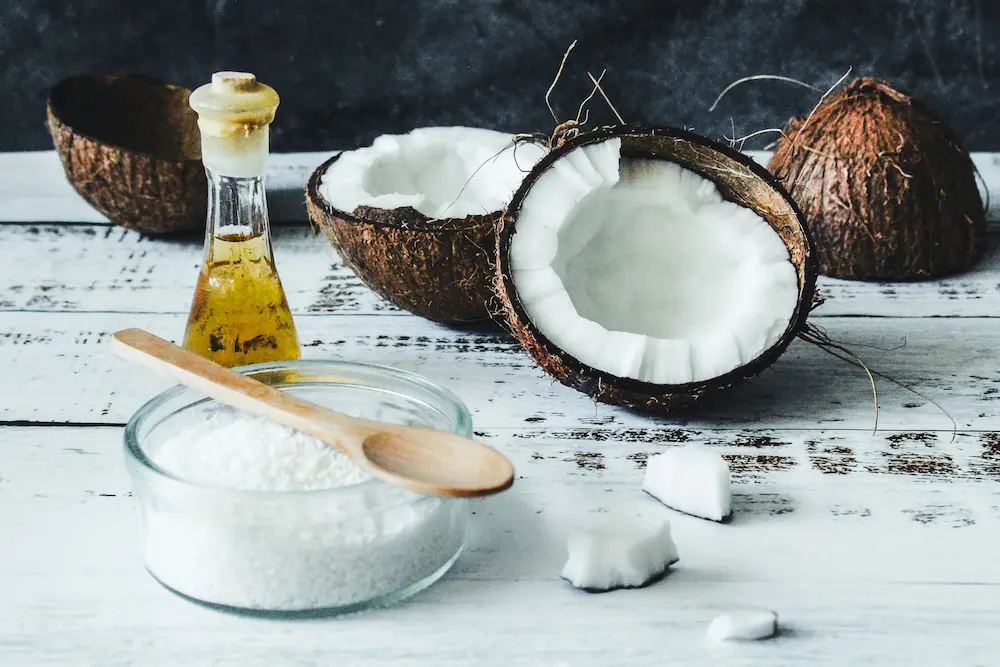
While you can infuse almost any fat, coconut oil reigns supreme in the world of cannabis infusions. Here is why:
- High Saturated Fat Content: Cannabinoids are lipophilic (fat-loving), meaning they bind exceptionally well to fats. Saturated fats like those found in coconut oil offer an abundance of fatty acid molecules for cannabinoids to cling to, resulting in a potent and efficient extraction.
- Versatility in Texture: Coconut oil is liquid at warmer temperatures and solid when chilled, making it uniquely adaptable for both baking substitutions and cold-process preparations.
- MCT Content: Medium-chain triglycerides (MCTs) are metabolized rapidly by the body, which some users find helps accelerate the onset of effects.
The Science Behind the Process: Decarboxylation
Before diving into how to make cannabis oil, it is vital to understand the most crucial step of the entire process: decarboxylation (often called "decarbing").
Raw cannabis flower does not inherently contain large amounts of active THC or CBD. Instead, it contains their acidic precursors, THCA and CBDA. These acids are non-intoxicating and do not produce the desired therapeutic or recreational effects when eaten raw.
To activate these compounds, the plant material must be exposed to specific levels of heat over time. This process removes a carboxyl group from the molecule, converting THCA into THC.
- The Decarb Rule: Spread your coarsely ground cannabis flower evenly on a baking sheet lined with parchment paper and bake at roughly 240°F (115°C) to 250°F (120°C) for 30 to 45 minutes.
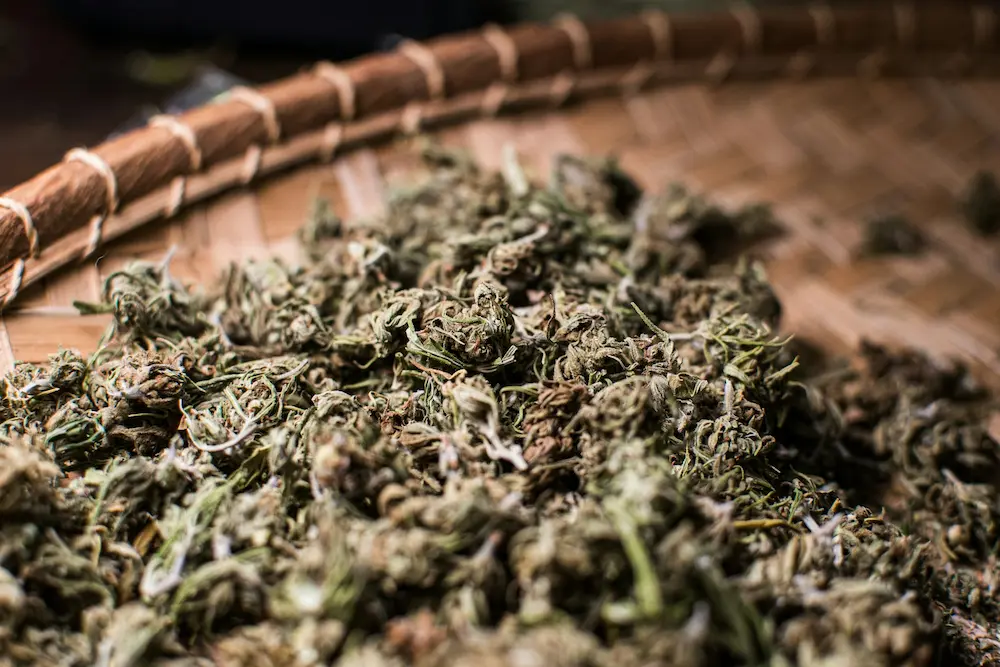
- Visual Cue: The flower should turn a light golden-brown and emit a rich, toasted herbal aroma without burning. Skipping this step means your finished oil will lack potency.
Step-by-Step Guide: How to Make Cannabis Oil at Home
Making your own cannaoil is a rewarding kitchen project that requires patience, precision, and basic equipment. Below is a foolproof, stovetop double-boiler method that works wonderfully with coconut oil, olive oil, or vegetable oil.
Equipment and Ingredients
- 1 cup of cooking oil (Coconut, olive, avocado, or vegetable oil)
- 7 to 10 grams of high-quality cannabis flower (adjust based on your desired potency)
- A baking sheet and parchment paper (for decarboxylation)
- A double boiler (or a heat-safe glass bowl set over a pot of simmering water)
- A digital kitchen thermometer
- A fine-mesh strainer and cheesecloth (or a nut milk bag)
- An airtight glass storage jar
Step 1: Prepare and Decarboxylate Your Flower
- Preheat your oven to 240°F (115°C).
- Break your cannabis flower down by hand or with a coarse grinder (avoid turning it into a fine powder, as this makes straining difficult later).
- Spread the flower evenly across your parchment-lined baking sheet.
- Bake for 35 to 40 minutes, gently shaking the pan halfway through to ensure even heating. Remove from the oven and let it cool completely.
Step 2: Combine Oil and Herb
- Set up your double boiler by filling the bottom pot with 1 to 2 inches of water and bringing it to a gentle simmer. Place your top bowl or double-boiler insert securely on top.
- Pour your 1 cup of cooking oil and the decarboxylated cannabis into the top bowl or insert.
- Stir thoroughly to combine.
Step 3: Low-and-Slow Infusion
- Insert your digital thermometer into the mixture. You want to maintain a steady temperature between 160°F (70°C) and 200°F (90°C).
- Crucial Tip: Never let your oil exceed 250°F (120°C). High heat will degrade the delicate cannabinoids and terpenes, destroying potency and imparting an unpleasant, burnt-plant taste.
- Allow the mixture to infuse gently for 2 to 3 hours, stirring occasionally. The oil will gradually darken and take on a rich, herbal hue.
Step 4: Strain and Store
- Remove the double boiler from the heat and let the mixture cool until it is safe to handle, but still liquid enough to pour easily.
- Line your fine-mesh strainer with a double layer of cheesecloth or a nut milk bag, placing it directly over your clean glass storage jar.
- Pour the oil and plant mixture through the cloth.
- Pro Tip: Gather the corners of the cheesecloth and gently squeeze to extract every last drop of oil. Avoid wringing or squeezing too aggressively, as this can force bitter plant chlorophyll into your final product.
- Discard the spent plant material. Seal your jar tightly.
Storage Note: Stored in a cool, dark place (like a pantry), your cannaoil will last for several months. If you use coconut oil, storing it in the refrigerator can extend its shelf life to six months or more. Always label your jar clearly with the date and estimated strength!
Choosing the Right Oil for Your Culinary Goals
Different oils serve different culinary purposes. Matching your cannabis infusion to the right base oil will elevate your dishes from ordinary to gourmet.
| Oil Type | Best Used For | Flavour Profile | Culinary Advantages |
|---|---|---|---|
| Coconut Oil | Vegan baking, tropical stir-fries, raw chocolates | Mild, sweet coconut | High saturated fat content ensures maximum cannabinoid absorption; solid at room temperature. |
| Extra Virgin Olive Oil | Salad dressings, marinades, drizzling over pasta or pizza | Robust, earthy, peppery | Exceptional for cold preparations and low-heat Mediterranean dishes; rich in antioxidants. |
| Avocado Oil | High-heat searing, sautéing, roasting vegetables | Neutral, buttery | High smoke point (approx. 520°F), making it safer for light frying without degrading cannabinoids. |
| Canola / Vegetable Oil | Standard baking, frying, all-purpose cooking | Completely neutral | Disappears into recipes where you do not want any herbal or floral background flavors. |
Culinary Inspiration: How to Use Cannaoil in the Kitchen
The true beauty of cannaoil lies in its versatility. Because it bypasses the texture limitations of solid cannabis butter, you can incorporate it into meals throughout the entire day.
1. Vibrant Zesty Vinaigrette (Olive Oil Base)
Whisk together 3 tablespoons of infused olive oil, 1 tablespoon of fresh lemon juice, 1 teaspoon of Dijon mustard, a pinch of sea salt, and black pepper. Drizzle over a fresh arugula, goat cheese, and walnut salad for a sophisticated infused lunch.
2. Dairy-Free Pesto (Olive Oil Base)
Blend fresh basil leaves, garlic cloves, pine nuts, nutritional yeast (or Parmesan if dairy is not an issue), and your infused olive oil in a food processor. Toss with your favorite gluten-free or vegan pasta for an elevated dinner.
3. Savory Vegetable Stir-Fry (Avocado Oil Base)
Heat a tablespoon of avocado cannaoil in a wok over medium heat. Sauté snap peas, bell peppers, broccoli florets, and tofu, finishing with a splash of tamari and toasted sesame oil.
4. Vegan Lemon-Blueberry Muffins (Coconut Oil Base)
Substitute standard melted coconut oil with your infused coconut oil in your favorite vegan baking recipe. The rich fat content keeps the muffins moist while delivering a consistent, reliable dose in every bite.
Dosing Safely and Responsibly
Calculating the exact potency of homemade cannabis oil can be tricky because it depends heavily on the potency of your starting flower.
- The Estimation Formula: If you use 7 grams (7,000 milligrams) of cannabis flower with an average THC content of 15% (150mg of THC per gram), your total starting material contains roughly 1,050 mg of THC. Assuming an 80% extraction efficiency during infusion, your final cup of oil will contain roughly 840 mg of THC, translating to about 55 mg per tablespoon (based on 16 tablespoons in a cup).
- Start Low and Go Slow: If you are new to homemade edibles, start with a fraction of a teaspoon (around 2.5 to 5 mg of THC) and wait at least 90 minutes to 2 hours to fully gauge the effects before consuming more.
- Label Clearly: Always clearly mark infused products in your refrigerator or pantry to prevent accidental consumption by housemates, guests, or children.
By mastering how to make cannabis oil, you gain complete control over your ingredients, flavor profiles, and dosing. Whether you prefer the tropical richness of coconut oil or the savory notes of olive oil, cannaoil is a game-changer for health-conscious foodies and cannabis connoisseurs alike.