
How to Make Cannabis Gummies at Home: A Complete, Safety-First Guide
Store-bought edibles are pricey, the flavors are limited, and you can’t control what goes into them. That’s why more people are searching for how to make cannabis gummies in their own kitchens. The process is more approachable than it sounds, but it takes patience, a little math, and respect for dosing.
This guide covers everything you need to know about how to make weed gummies, from activating your cannabis to calculating potency, plus a tested-style recipe, storage tips and the legal landscape as of November 2026. If you’ve wondered how to make pot gummies that are tasty, consistent and safe, start here.
Important: Cannabis laws vary widely by country, state and even city. Only make cannabis edibles where it’s legal for you to possess and process cannabis, and only for adults. This article is educational, not medical or legal advice.
Why Make Your Own Cannabis Gummies?
- Control over ingredients: Choose organic juice, real fruit, less sugar or vegan alternatives.
- Control over dose: You decide how strong each gummy is, which is great for microdosing.
- Cost savings: A batch from a few grams of flower can cost far less than the equivalent in dispensary packages.
- Flavor freedom: Tart cherry, mango-lime, ginger-peach, whatever you like.
The tradeoff is that homemade dosing is an estimate, not a lab result. Gummies are also among the trickier edibles to dose evenly. One clinic guide for beginners notes that a simple baked good divided into equal portions is generally easier to dose predictably than a homemade gummy. Don’t let that put you off, but do go slowly and follow the dosing section below carefully.
The Legal Picture in 2026 (What Home Makers Should Know)
Federal cannabis policy in the U.S. is changing fast, so here’s a quick snapshot:
- Medical cannabis: An April 2026 DOJ order moved state-licensed medical cannabis to Schedule III. That order doesn’t change the status of state-legal recreational cannabis, which remains Schedule I.
- Broader rescheduling: A separate process covering adult-use cannabis is still working through the DEA. Optional written briefs were due October 29, with replies due November 5.
- Edibles specifically: Legal analysts note the April order leaves unresolved the legal status of marijuana sold as foods, dietary supplements, or unapproved drugs.
- Hemp THC gummies: This one matters if you currently buy hemp-derived gummies. On November 12, 2026, a new federal hemp definition takes effect, and finished products with more than 0.4 milligrams of total THC per container fall outside the legal definition of hemp. Lawmakers have discussed delaying it, so check for the latest news. Many consumers may look to DIY options as a result.
The practical takeaway is to know your local law, buy flower from a licensed source where possible, and never travel across borders or state lines with cannabis products.
What You’ll Need
Equipment
- Oven-safe dish and parchment paper (for decarbing)
- Oven thermometer (home ovens are often inaccurate)
- Saucepan or slow cooker and a heat-safe bowl or mason jar (for infusing)
- Fine mesh strainer or cheesecloth
- Silicone gummy molds with a dropper (most come with one)
- Kitchen scale and a whisk
- Small saucepan for the gummy mixture
Ingredients (infused coconut oil)
- Cannabis flower (know the THC % from the label or lab report)
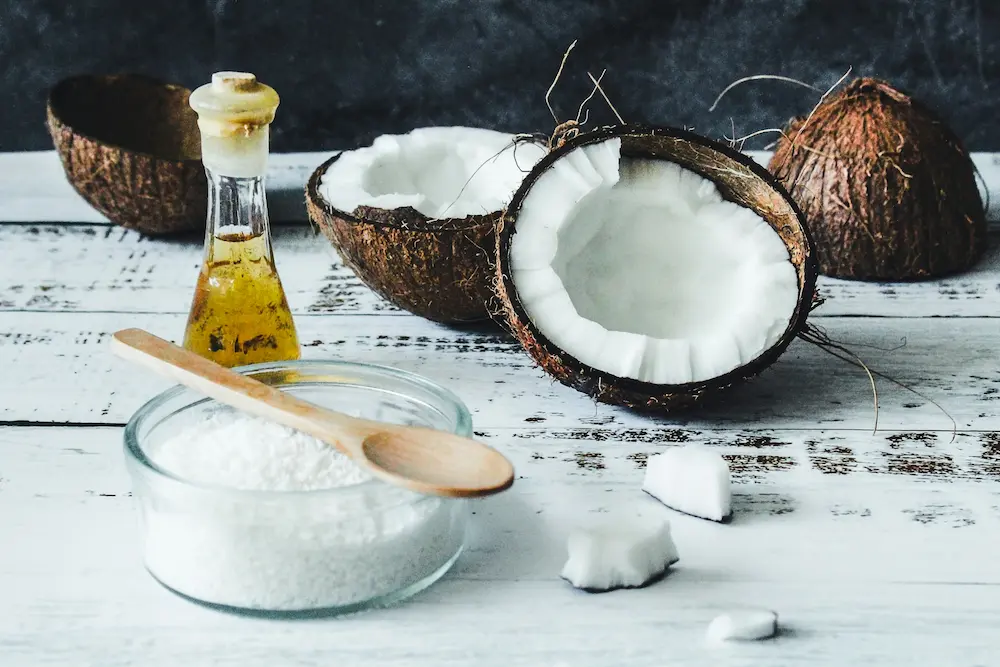
- Coconut oil (or MCT oil), which binds well to cannabinoids
Related Article: How To Make Cannabis Oil.
Ingredients (gummies)
- ½ cup fruit juice (tart cherry, orange, or pomegranate work well)
- 2 tablespoons honey or maple syrup
- 3 tablespoons unflavored gelatin (about 3 standard packets)
- 1 tablespoon infused coconut oil (adjust to your dose math below)
- ½ teaspoon sunflower or soy lecithin (helps oil and water mix evenly)
- Optional: ½ teaspoon citric acid for a sour finish
Step 1: Decarboxylate Your Cannabis
Raw cannabis contains THCA, which isn’t psychoactive until heated. This step, called decarboxylation or “decarbing,” is the one most beginners skip, and it leads to weak, disappointing gummies.
- Preheat the oven to about 240°F (115°C). Common guidance puts the range at 220–240°F for roughly 30–60 minutes, and some sources suggest 240°F for 30–40 minutes.
- Break the flower into small, pea-sized pieces (don’t grind to powder).
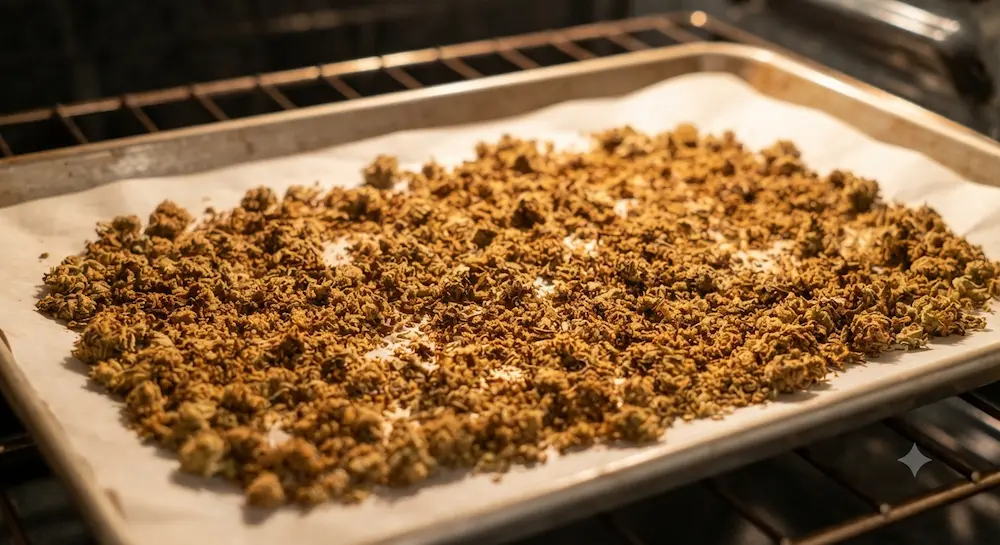
- Spread on a parchment-lined tray and bake 30–40 minutes, stirring once.
- Let cool. The flower should look lightly toasted and golden-brown.
Expect it to smell strong. Ventilate your kitchen or seal the dish with foil.
Step 2: Infuse the Oil
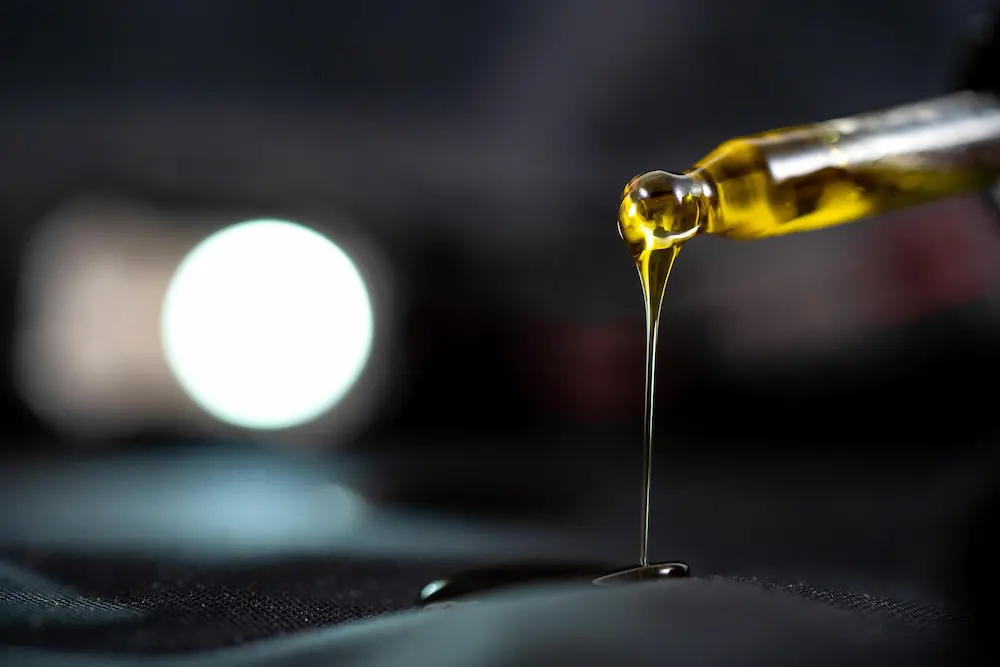
- Combine decarbed flower with coconut oil in a mason jar or heat-safe bowl (a common ratio is 1 gram of flower per 1–2 tablespoons of oil).
- Heat gently in a water bath or slow cooker at about 160–200°F for 2–3 hours, stirring occasionally. Don’t let it boil or scorch.
- Strain through cheesecloth, squeezing lightly. Skip the hard squeeze, which pushes bitter plant matter into your oil.
- Cool and store in a labeled jar.
Step 3: Do the Dosing Math (Don’t Skip This)
Accurate dosing is what separates a pleasant evening from an unpleasant one. Here’s the basic method:
- Total THC in your flower: grams × THC% × 10 = mg. Example: 3.5 g of 20% flower = 700 mg THC.
- Account for losses. A reasonable estimate is that 85–90% of THCA converts during decarbing, and 80–90% of that transfers into the fat. Combined, that’s about 75%, so a conservative estimate is 700 × 0.75 ≈ 525 mg in your oil.
- Mg per tablespoon of oil: if you used ½ cup (8 tablespoons) of oil: 525 ÷ 8 ≈ 65 mg per tablespoon.
- Mg per gummy: (mg of THC in the oil you add) ÷ (number of gummies the batch yields).
Example: 1 tablespoon of this oil (≈65 mg) in a batch that fills 30 gummy cavities gives roughly 2 mg per gummy. To reach about 5 mg per gummy across 30 gummies, you’d need around 150 mg, or roughly 2⅓ tablespoons of oil. Because oil volume affects texture, many home makers prefer to make weaker oil rather than add a lot of it.
Why the caution? Research on homemade edibles consistently points to uneven cannabinoid distribution as a primary source of unpredictable effects, and flower potency and decarbing efficiency vary. Treat every number as an estimate and count your actual gummies before dividing.
What’s a sensible dose? In legal markets, a standard serving is typically 5–10 mg of THC, with 2.5 mg or less common for beginners and microdosing. If you’re new, start at the low end. Potency can swing widely, so a 10 mg estimate from a homemade batch could be higher in practice.
Step 4: Make the Gummies
- Bloom the gelatin. Pour the juice into a small saucepan and sprinkle the gelatin over the surface. Let it sit 5 minutes without stirring.
- Warm gently. Heat over low heat, whisking, until the gelatin fully dissolves (no grains). Don’t boil.
- Add sweetener and lecithin. Whisk in honey and lecithin until smooth.
- Add the infused oil. Warm the oil until liquid and whisk it in thoroughly for a full minute. Keep the mixture warm and keep stirring as you work. Cannabinoids settle, so inconsistent stirring is the main cause of “one gummy is mild, the next one is a rocket.”
- Fill the molds. Use the dropper, and re-whisk the pot every few cavities. Fill all cavities so you can count them accurately.
- Set. Refrigerate 30–60 minutes until firm, then pop them out.
- Cure (optional). Leave gummies on a rack at room temperature for 24–48 hours for a chewier texture, then store.
Vegan option: Pectin or agar can replace gelatin, but they behave differently. Use a recipe written specifically for them and don’t swap one-for-one.
Storage, Labeling and Child Safety
- Refrigerate in an airtight container for about 1–2 weeks; freeze for longer storage.
- Label clearly with “contains THC,” the date, and estimated mg per gummy.
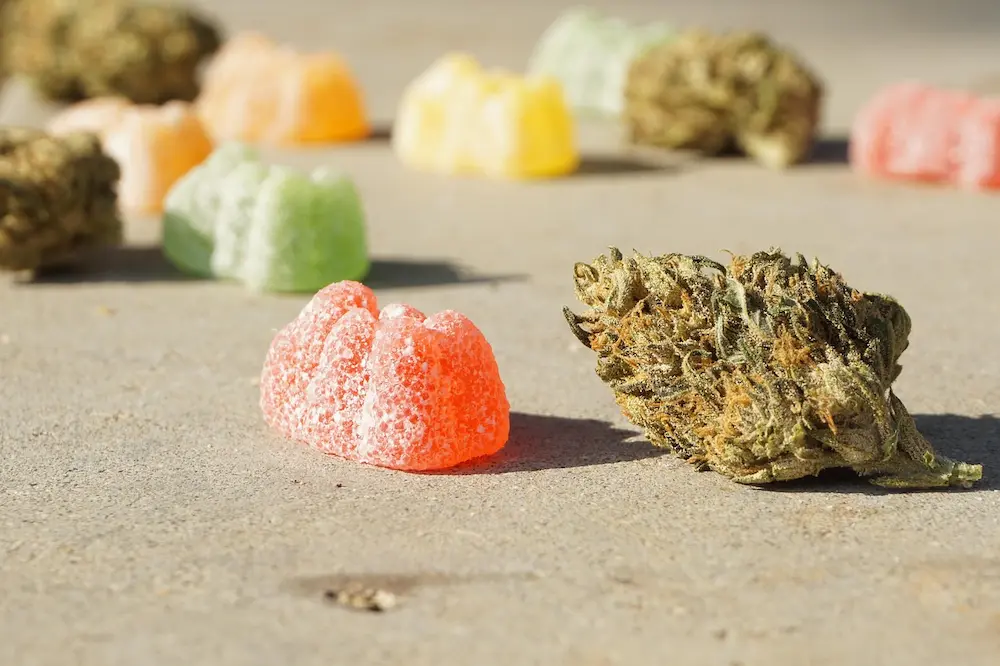
- Lock them up. Gummies look like candy to kids and pets. Store them in a lockable, child-resistant container well out of reach.
- Keep homemade batches separate from regular candy, always.
How to Enjoy Cannabis Gummies Responsibly
- Start low, go slow. Edibles can take up to two hours to kick in, and taking too much can cause paranoia, anxiety or panic. Wait a full two hours before taking more.
- Eat first. Taking an edible with a small meal can improve absorption and soften the ride.
- Don’t drive or operate machinery, and don’t mix with alcohol.
- Check with a doctor if you take medication, have heart or mental health conditions, or are pregnant or breastfeeding.
- If you’ve taken too much: stay calm, hydrate, sit somewhere comfortable, and ask someone to stay with you. Seek medical help if you feel unwell or are worried.
Troubleshooting Common Problems
| Problem | Likely cause | Fix |
|---|---|---|
| Weak effects | Skipped or under-done decarb | Verify oven temp with a thermometer |
| Oily layer on top | No emulsifier / poor mixing | Add lecithin, whisk longer, keep warm |
| Gummies too soft | Too little gelatin or too much oil | Increase gelatin slightly, reduce oil |
| Grassy taste | Over-squeezed or finely ground flower | Coarse grind, gentle strain, strong flavors |
| Uneven potency | Settling in pot | Stir constantly, fill all cavities, count gummies |
Final Thoughts
Learning how to make cannabis gummies is part kitchen science, part careful arithmetic. Decarb properly, infuse gently, emulsify well, stir like you mean it, and keep your doses low until you know how a batch behaves. Whether you search for how to make weed gummies for the flavors or how to make pot gummies for the savings, the same rule applies: patience and measurement beat guesswork every time.
Disclaimer: This article is for informational purposes only for adults in jurisdictions where cannabis is legal. It is not medical or legal advice. Laws change quickly, so verify your local rules.