Understanding What Is a Cannabis Tincture: A Modern Essential
As the cannabis landscape continues to mature, consumers are looking beyond traditional smoking and heavy baked goods. Enter what is cannabis tinctures—one of the most sophisticated, precise, and health-conscious ways to consume cannabinoids.
Long before the advent of high-tech gummies and distillate vapes, herbalists relied on liquid extracts to capture the therapeutic essence of plants. Today, cannabis tinctures remain a golden standard for both medical patients and recreational enthusiasts alike. Offering unparalleled discretion, rapid onset, and exact dosing capabilities, tinctures bridge the gap between traditional medicine and modern mixology.
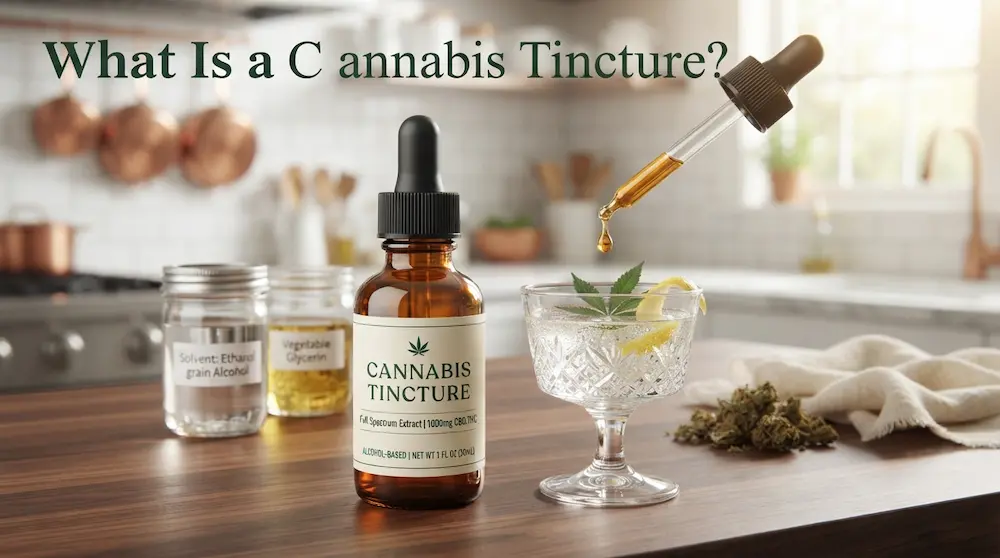
What Is a Cannabis Tincture?
At its core, a cannabis tincture is a concentrated liquid extract produced by soaking raw or decarboxylated cannabis plant material in a liquid solvent. The solvent strips the plant's trichomes—yielding valuable cannabinoids (like THC and CBD), terpenes, and flavonoids—and suspends them in a stable liquid form.
Unlike thick, heavy cannabis oils (such as those bound to MCT or olive oil), traditional tinctures utilize high-proof grain alcohol or vegetable glycerin. This distinct chemical composition allows for exceptional versatility, enabling the product to be absorbed instantly through the mucous membranes or seamlessly integrated into recipes without altering texture.
Alcohol vs. Glycerin-Based Tinctures: Choosing Your Base
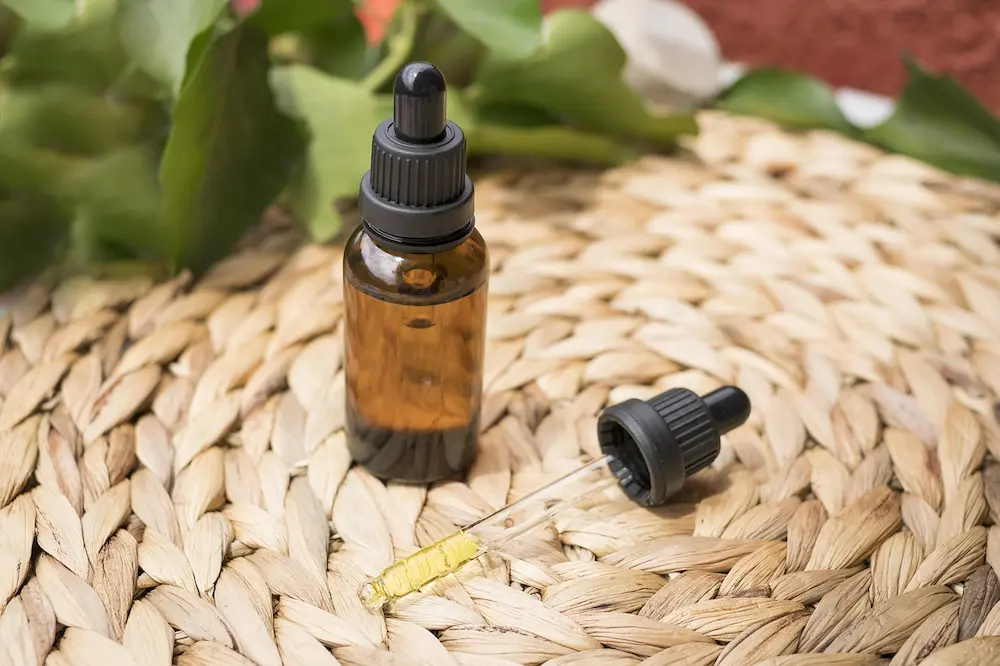
When exploring what is cannabis tinctures, you will quickly find that the solvent dictates the entire user experience. The two primary liquid bases—alcohol and vegetable glycerin—possess entirely different chemical characteristics, shelf lives, and sensory profiles.
1. Alcohol-Based Tinctures (The Gold Standard)
Often crafted using high-proof neutral grain alcohol (such as 150- to 190-proof food-grade ethanol), alcohol-based tinctures are historically the most popular and efficient choice.
- Extraction Power: Alcohol is an exceptionally aggressive solvent. It captures a comprehensive, broad-spectrum profile of cannabinoids and terpenes, resulting in a potent final product.
- Shelf Life: Because alcohol acts as an incredible natural preservative, properly stored alcohol tinctures can last anywhere from 3 to 5 years without degrading.
- The Downside: High-proof alcohol has a sharp, biting taste that can cause a temporary burning sensation when dropped directly under the tongue.
2. Glycerin-Based Tinctures (The Sweet Alternative)
Vegetable glycerin is a thick, clear, naturally sweet liquid derived from plant oils (such as coconut or palm). Tinctures made with glycerin are often referred to as glycerites.
- Taste and Texture: Glycerin is naturally sweet and syrupy, completely eliminating the burning sensation associated with alcohol. This makes it exceptionally palatable for sensitive users.
- Gentler Experience: Glycerin is a milder solvent. While it effectively draws out water-soluble compounds and sugars, it is less efficient at pulling heavy resins, resulting in a generally milder potency profile.
- Shelf Life: Glycerin does not preserve plant matter as efficiently as alcohol. Glycerites typically last between 1 to 2 years and frequently benefit from refrigeration after opening.
Why Cannabis Tinctures Are Uniquely Versatile
The defining characteristic of a cannabis tincture is its flexibility. Depending on your lifestyle and goals, tinctures can be consumed in several distinct ways:
Sublingual Administration (Fast Absorption)
Placing a few drops directly under your tongue (sublingually) is the fastest way to feel the effects. The mucous membranes and rich capillary beds in the mouth allow cannabinoids to bypass first-pass liver metabolism, entering the bloodstream directly. Users typically feel initial effects within 15 to 30 minutes, making it easy to titrate your dose accurately.
Disguising in Drinks, Cocktails, and Mocktails
If you dislike the herbal taste of cannabis entirely, tinctures shine as mixology enhancers.
- Alcohol Tinctures blend effortlessly into craft cocktails, tonics, or shots of juice, where the existing spirits mask the tincture's bite.
- Glycerin Tinctures act almost like flavored simple syrups. They can be stirred directly into iced teas, coffees, or sparkling water to create a discreet, elevated beverage.
Infusing Homemade Gummies and Edibles
Because you aren't introducing excess water or heavy cooking oils into your recipes, tinctures are a secret weapon for home confectioners. You can easily spike batches of homemade gummy bears, hard candies, chocolates, or icing right at the end of the cooling process, ensuring precise and uniform dosing across every piece.
How to Make a Basic Cannabis Tincture at Home
Creating your own tincture is a rewarding DIY project. Here is a brief look at the foundational process required for both variations:
- Decarboxylation: Raw cannabis does not contain active THC or CBD; it contains acidic precursors like THCA. Break down your flower and bake it on a parchment-lined tray at roughly 220°F to 240°F for about 30 minutes to activate the compounds.
- Combination: Place your decarboxylated cannabis into a clean glass Mason jar and submerge it entirely in your chosen solvent (high-proof grain alcohol or food-grade vegetable glycerin).
- Extraction & Maceration: Seal the jar tightly and store it in a cool, dark cupboard for 3 to 4 weeks. Shake the mixture gently on a daily basis to help strip the trichomes from the plant matter.
- Strain and Bottle: Strain the liquid through a fine-mesh sieve or cheesecloth into amber glass dropper bottles, discarding the spent plant material.
Summary Table: Alcohol vs. Glycerin Tinctures
| Feature | Alcohol-Based Tinctures | Glycerin-Based Tinctures |
|---|---|---|
| Primary Solvent | High-proof ethanol / grain alcohol | Vegetable glycerin |
| Flavor Profile | Sharp, potent, herbal | Sweet, syrupy, smooth |
| Onset Time (Sublingual) | 10 – 30 minutes | 20 – 40 minutes |
| Potency Efficiency | High (broad-spectrum extraction) | Moderate (gentle solvent) |
| Shelf Life | 3 to 5 years | 1 to 2 years (refrigeration recommended) |
Final Thoughts
Understanding what is cannabis tinctures opens up a streamlined, smoke-free world of herbal consumption. Whether you prefer the robust, long-lasting extraction power of high-proof alcohol or the smooth, sweet, alcohol-free profile of vegetable glycerin, tinctures offer a level of control that traditional consumption methods simply cannot match. Start low, go slow, and discover how these versatile liquid extracts can elevate your wellness routine or social gatherings.
Here are more related articles to this topic: How to make cannabis oil, How to make cannabutter.