
Beyond the Bag: Decoded Trichomes, Cannabinoids, and Terpenes
Hey there! Grab a seat on the couch and let's talk about plants. Not just any plants, though—we’re diving deep into the microscopic wonderland that makes certain botanicals so uniquely fascinating.
If you’ve ever looked closely at a top-tier dispensary menu or inspected a frosty, glittering bud up close, you’ve probably wondered: What am I actually looking at? Why is it so sticky? And does it really matter whether it smells like citrus or pine?
Spoiler alert: It matters a lot. Let’s break down the science of the plant into bite-sized, fascinating pieces so you can shop smarter, understand the lingo, and sound like a pro next time you're chatting with friends.
Part 1: Anatomy of a Bud: Trichomes, Pistils, and Why Sticky Means Sticky
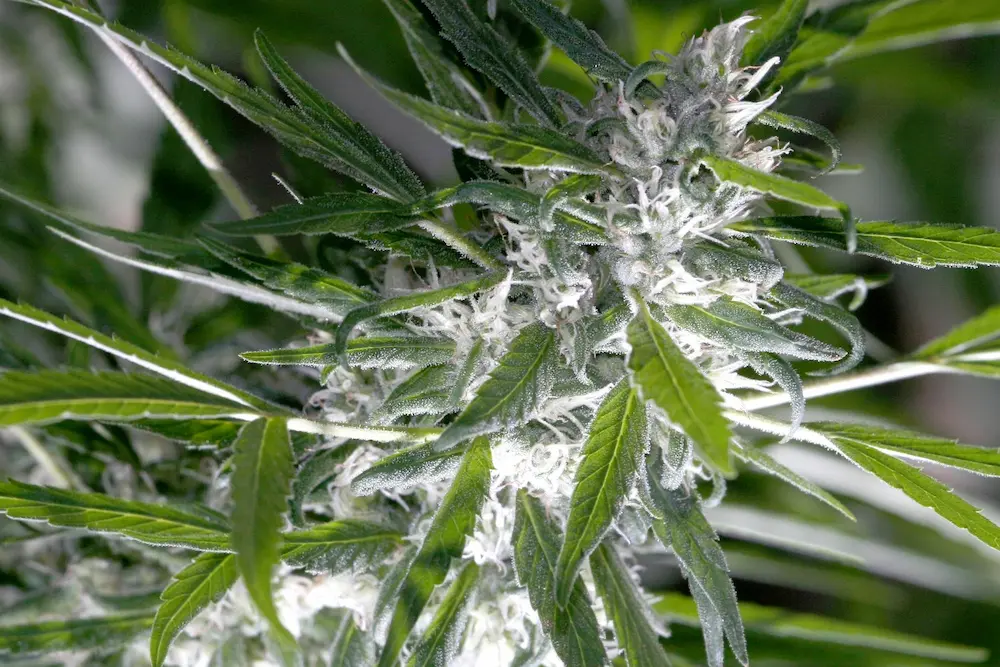
Let’s start with the basics of what makes a great harvest look, feel, and act the way it does. When you hold a premium flower to the light and see a glistening blanket of crystal-like dust, you’re witnessing the plant's ultimate defense mechanism and chemical factory at work.
What Actually Are Trichomes?
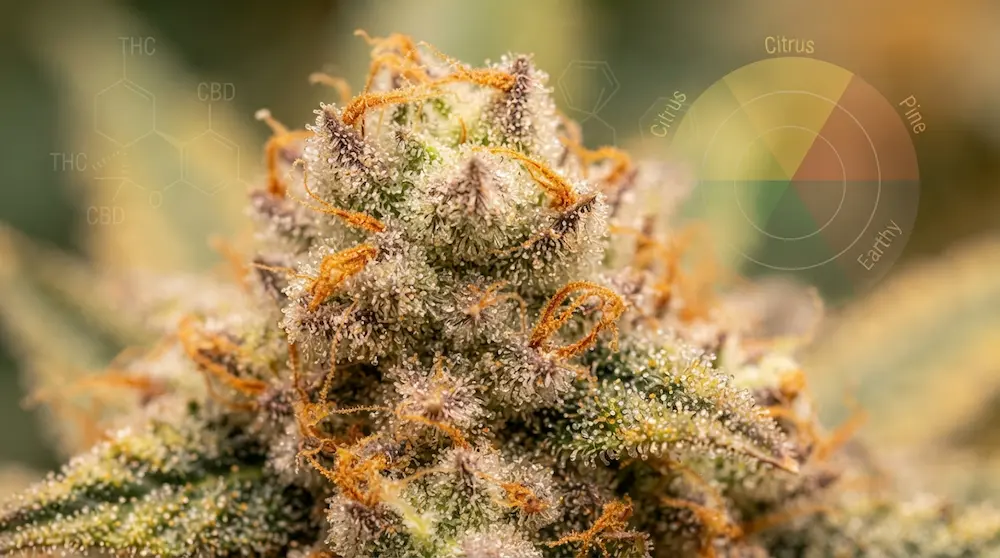
Those tiny, mushroom-shaped crystals covering the flower aren't just there to look pretty. They are trichomes—specialized microscopic resin glands.
Think of trichomes as tiny, botanical manufacturing plants. This is where the plant synthesizes and stores all the good stuff: the cannabinoids (like THC and CBD) and the aromatic compounds (terpenes). In nature, the plant uses these sticky glands to deter hungry insects, protect itself from harsh UV rays, and prevent wind damage. For us, they are the holy grail of potency and flavor.
Want to make sure those precious trichomes stay sticky and potent all the way to your jar? Check out our guide on drying cannabis and proper curing cannabis techniques to lock in maximum flavor and prevent degradation.
A Quick Anatomy Map of the Flower:
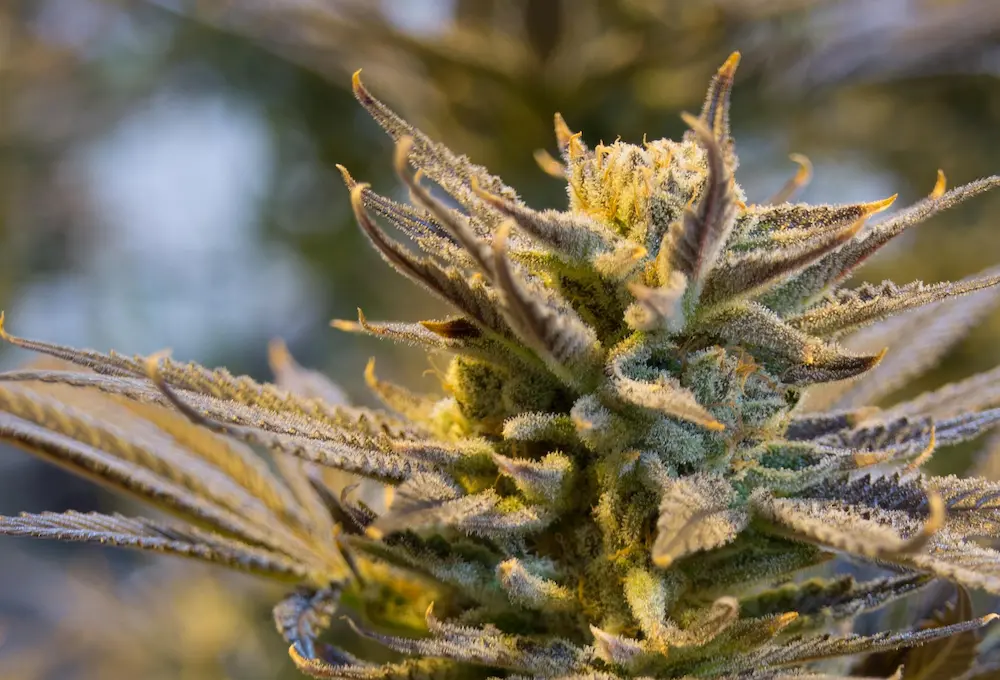
- Trichomes: The microscopic, crystal-clear resin heads (resembling tiny lollipops) that hold the potency and aroma.
- Pistils: Those vibrant, hair-like strands weaving through the bud (often bright orange, red, or amber). Fun fact: They are actually the plant's reproductive organs, designed to catch pollen. While they don't contain many trichomes, they act as a visual timer for when the plant is ready to harvest.
- Bracts: The small, teardrop-shaped leaves that encapsulate the reproductive parts. These pack the highest concentration of trichomes on the entire plant.
Why "Sticky" Means Quality
Ever heard the phrase "the stickier, the better"? It's not just an old-wives' tale; it's hard science.
When a bud feels resinous, tacky, or downright gluey to the touch, it means those trichome heads are full, intact, and bursting with active compounds. If a bud feels bone-dry, brittle, or crumbles into dust between your fingers, those delicate trichomes have likely been damaged, knocked off, or degraded by heat and air. Sticky buds equal preserved potency, richer flavor, and a much smoother experience.
Part 2: Beyond THC & CBD: Your Guide to Minor Cannabinoids (CBN, CBG, THCA)
For a long time, the conversation around the plant was dominated by a simple binary choice: THC (the part that gets you high) and CBD (the non-intoxicating wellness compound). But science has evolved, and the plant has way more tricks up its sleeve.
Welcome to the world of minor cannabinoids. These are chemical compounds found in smaller quantities in the plant, but they pack a massive punch when it comes to shaping your overall experience—largely thanks to something called the Entourage Effect (where all compounds work better together than they do alone).
If you're curious about how these incredible chemical profiles and minor cannabinoids develop from seed to harvest, you can learn the ropes with our comprehensive beginner's guide on how to grow cannabis indoors or our deep dive into understanding different types of cannabis.
1. THCA (Tetrahydrocannabinolic Acid): The Raw Powerhouse
If you look closely at a modern dispensary menu, you’ll see THCA listed prominently on the lab results. What is it?
- The Science: THCA is the raw, unheated precursor to delta-9 THC. In a living or freshly harvested plant, THC doesn’t actually exist yet—it exists as THCA.
- The Catch: Raw THCA is non-intoxicating. It won't get you high in its raw state. However, the moment you apply heat (through smoking, vaping, or baking), a chemical process called decarboxylation occurs. The heat snaps off a molecular carboxyl ring, turning THCA into good old-fashioned, psychoactive THC.
2. CBN (Cannabinol): The Ultimate Sleep Companion
Ever left your flower out in the open air for too long, exposed to oxygen and light? Over time, THC degrades and breaks down into CBN.
- The Vibe: CBN is rapidly earning a reputation as the ultimate "couch-lock" and bedtime cannabinoid. While research is still unfolding, many users turn to CBN-infused products specifically for winding down at night, easing into a deep, restful sleep without the jittery mind-races sometimes associated with heavy THC strains.
3. CBG (Cannabigerol): The Mother of All Cannabinoids
Meet CBG, the stem cell of the plant world. All other major cannabinoids—including THC and CBD—start their lives as CBGA (the acidic form of CBG) before the plant matures and converts them into other compounds.
- The Vibe: Because mature plants convert almost all CBG into other cannabinoids, CBG is often harvested early to capture its unique properties. Users love CBG for daytime use, reporting enhanced focus, clear-headed energy, and a gentle mood lift without sedation.
Part 3: The Terpene Dictionary: Shopping by Smell, Not Just Sativa vs. Indica
Let’s bust a major myth right out of the gate: The terms "Sativa" and "Indica" are deeply misunderstood.
Historically, people thought Indicas always made you sleepy and Sativas always gave you energy. But modern botany tells a different story. Two plants labeled "Indica" can have completely opposite chemical makeups. What actually dictates your experience is a combination of cannabinoids and terpenes.
What Are Terpenes?
Terpenes are organic hydrocarbons produced in—you guessed it—the trichomes! They aren't unique to this plant; they are the aromatic compounds responsible for the scent of lavender, the sharpness of pine needles, and the zesty punch of an orange peel.
When you smell a jar at the dispensary and your nose does a happy dance, you are reacting to its terpene profile. Let’s look at the "Big Three" terpenes you need to know to shop like an expert.
1. Myrcene: The Couch-Lock King
- Where it smells like: Earthy, musky, herbal, with hints of cloves and ripe mangoes.
- What it does: Myrcene is the most abundant terpene found in modern varieties. High levels of myrcene are heavily associated with deep physical relaxation, pain relief, and the classic "couch-lock" effect. (Fun tip: Eating a ripe mango about 45 minutes before consumption is rumored to help myrcene cross the blood-brain barrier faster due to synergistic compounds!)
2. Limonene: The Sunshine Booster
- Where it smells like: Bright, sharp citrus—think fresh lemons, limes, and grapefruits
- What it does: If you need a mood lift, look for Limonene. Known for its stress-relieving and uplifting properties, limonene-dominant strains are fantastic for daytime socializing, creative projects, and washing away mental fog or anxiety.
3. Caryophyllene: The Body Relief Specialist
- Where it smells like: Spicy, peppery, woody, and warm—similar to black pepper, cinnamon, and cloves.
- What it does: Caryophyllene is an absolute rockstar in the terpene world because it is the only terpene known to act like a cannabinoid. It binds directly to CB2 receptors in our body's endocannabinoid system, making it uniquely powerful for targeting physical tension, inflammation, and body aches without a heavy head-high.
Keep in mind that protecting these delicate terpenes starts long before you ever smell a jar—it begins with proper care during trimming cannabis and gentle plant management like our definitive cannabis low stress guide.
Summary: How to Shop Smarter Next Time
Next time you find yourself standing at the counter or browsing a menu online, throw out the old "Sativa vs. Indica" rulebook and use your senses instead:
- Look for the Frost: Inspect the buds for a heavy, glistening coat of trichomes. Sticky means fresh and potent.
- Check the Lab Sheet: Look past just the THC percentage. Check out the minor cannabinoids like CBG for focus or CBN for relaxation, and note the THCA content if you want to know how strong it will be post-heat.
- Follow Your Nose: Smell the product (or read the terpene profile). Do you want to relax with Myrcene, lift your spirits with Limonene, or soothe your body with Caryophyllene? Let your nose guide your high.
Now that you're armed with the plant science basics, you're officially ready to navigate the world of botanicals like an absolute connoisseur. Enjoy the journey!