
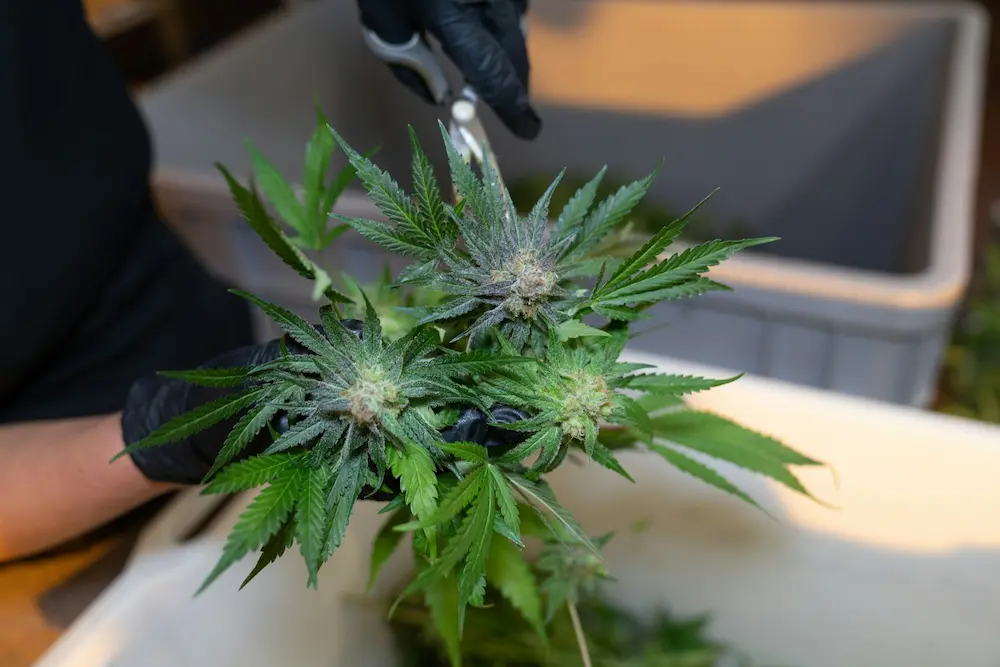

The Post-Harvest Dilemma: Wet vs. Dry Cannabis Trimming
Whether you’re a first-time grower wrapping up your very first indoor harvest or a seasoned veteran managing multiple rooms, the post-harvest phase can make or break your final product. You can spend months dialing in your nutrients, perfecting your lighting schedules, and monitoring your electrical conductivity, but if you botch the final stages of harvest, your hard work suffers.
When it comes to how to trim cannabis, growers have been fiercely divided for generations. Should you chop and manicure everything while it’s fresh (wet trimming), or should you hang the whole plant to dry first and tackle the scissors later (dry trimming)?
There is no single "correct" answer, but understanding the mechanics, pros, and cons of each approach will help you decide what fits your climate, schedule, and quality goals.
Understanding the Basics: What's the Difference?
Before diving into the deep end of the debate, let’s clear up what these two fundamental terms actually mean in practice.
- Wet Trimming: This is the process of manicuring your cannabis immediately after harvest. You chop down the branches, strip away the fan leaves and sugar leaves while the plant material is still saturated with moisture, and then lay or hang the bare buds to dry on racks or lines.
- Dry Trimming: This method does things in reverse order. You harvest the plant—either hanging whole plants or large branches intact—and let them dry completely with all the leaves still attached. You don’t touch a pair of trimming shears until the branches are fully dry and brittle.
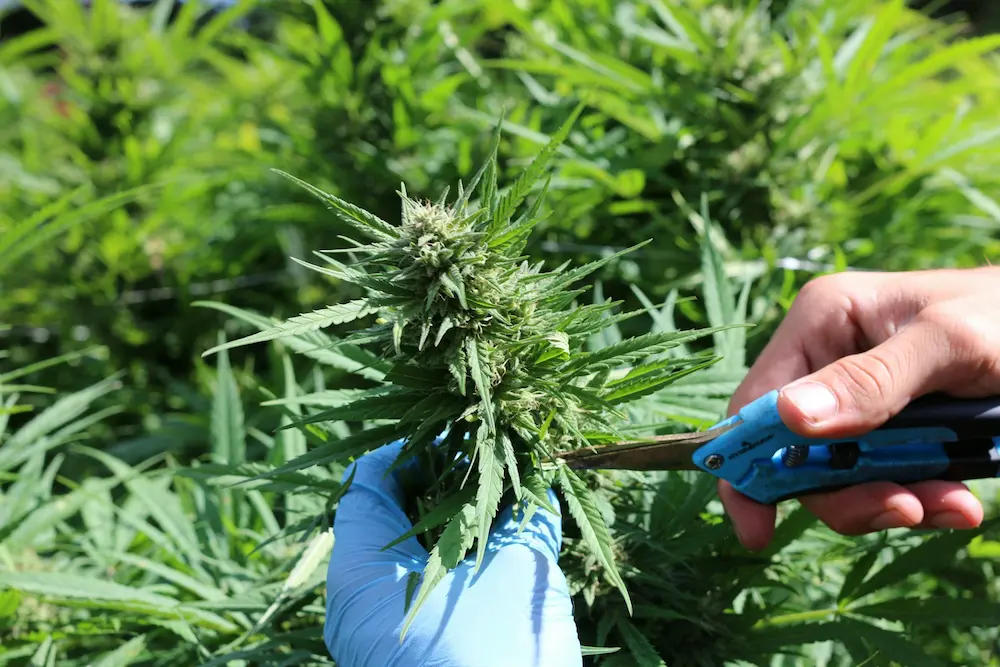
How to Trim Cannabis: The Wet Method
Wet trimming is often the go-to recommendation for beginners because it feels intuitive and keeps the workflow moving fast.
When a plant has just been cut down, its leaves are turgid, standing straight out from the bud structure. This makes it remarkably easy to slide your scissors in, snip leaf stems cleanly at the base, and zip through your harvest. Because you are stripping away all that moisture-heavy foliage right out of the gate, wet-trimmed buds dry much faster. This is a massive lifesaver if you live in a humid region where mold and bud rot love to thrive inside dense colas.
Furthermore, wet trimming is the preferred route for large-scale operations utilizing automated equipment. If you're processing a heavy crop by yourself, investing in a tabletop 16-inch bowl leaf trimmer can drastically cut down your processing hours. Tumblers and commercial blades handle wet, pliable plant material smoothly without shattering brittle trichomes. It also gives the flowers a chance to "puff out" slightly as they dry, resulting in tight, uniform nuggets with high visual "bag appeal".
After you are stripping away all that moisture-heavy foliage right out of the gate, wet-trimmed buds dry much faster. To master this crucial phase without ruining your crop, check out our guide on how to properly dry cannabis for ideal temperature and humidity guidelines.
The downsides of wet trimming:
- The speed trap: Because the leaves are gone, moisture evaporates rapidly. If your drying environment isn't tightly controlled, your weed can dry out too fast, trapping chlorophyll inside and leaving your smoke tasting grassy or harsh.
- The sticky mess: Fresh resin glands burst easily when handled wet. Your fingers, scissors, and trays will quickly turn into a sticky, gummed-up disaster requiring constant cleaning with isopropyl alcohol.
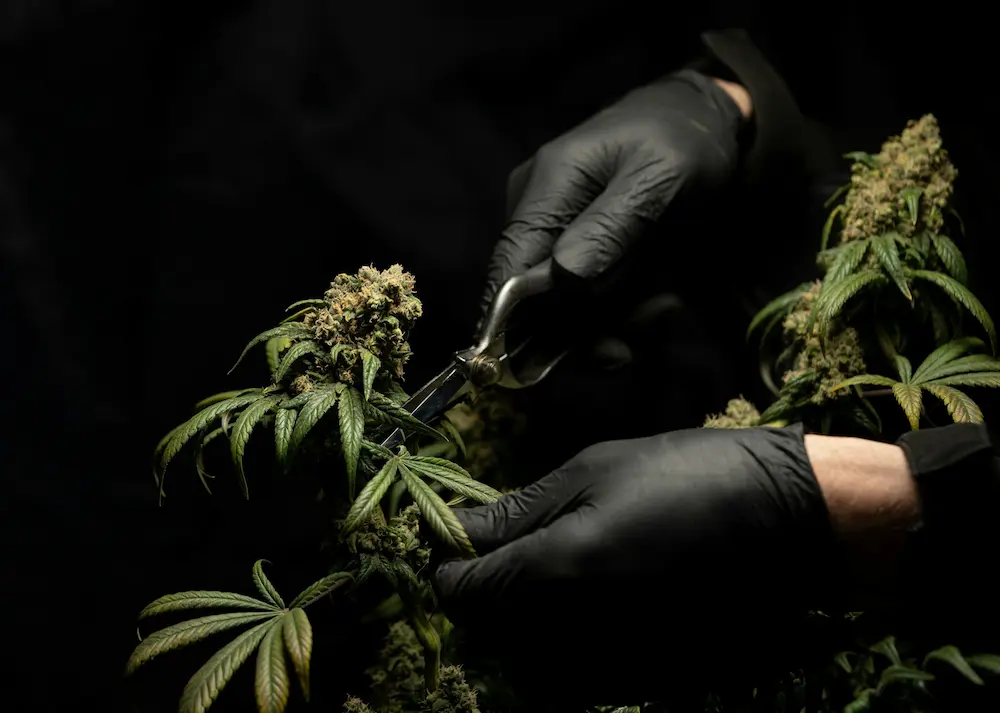
How to Trim Cannabis: The Dry Method
If you ask top-shelf connoisseurs and artisan cultivators how to trim cannabis for maximum flavor, many will point you straight toward the dry-trim method.
This technique is all about patience. By leaving the fan and sugar leaves intact during the drying phase, you create a natural, slow-release moisture barrier around the flowers. Instead of drying in a matter of days, the plant slowly cures over a span of 10 to 14 days.
This gradual dry is critical for terpene preservation. Volatile aromatic compounds escape easily when moisture evacuates too quickly; a slow dry gives terpenes time to settle while allowing maximum chlorophyll to break down. The result? A significantly smoother, richer, and more flavorful smoke. Once your branches are brittle and the trim job is finished, the next vital step is locking in those flavors—learn the exact science behind it in our complete guide on how to cure cannabis for maximum potency and flavor.
The downsides of dry trimming:
- The trim job is tougher: As leaves dry, they curl inward and wrap tightly around the bud. Reaching in to clip away dead sugar leaves requires meticulous patience and significantly more time.
- Space and risk constraints: Hanging whole plants requires a lot of vertical space. Additionally, if your drying area has high humidity, that extra mass of leaves traps moisture, dramatically raising the risk of mold.
The Best of Both Worlds: Hybrid Trimming
If you find yourself torn between the two extremes, you don't have to choose a rigid path. Many experienced growers swear by a hybrid or partial wet trim to capture the benefits of both techniques.
Here is how you do it:
- The Initial Strip: Right when you harvest the plant, quickly chop off all the large fan leaves and any heavy, protruding sugar leaves.
- The Slow Hang: Leave the smaller sugar leaves wrapped tightly around the buds to protect the trichomes and regulate the drying speed. Hang your branches or whole plants to dry normally in a dark, climate-controlled space.
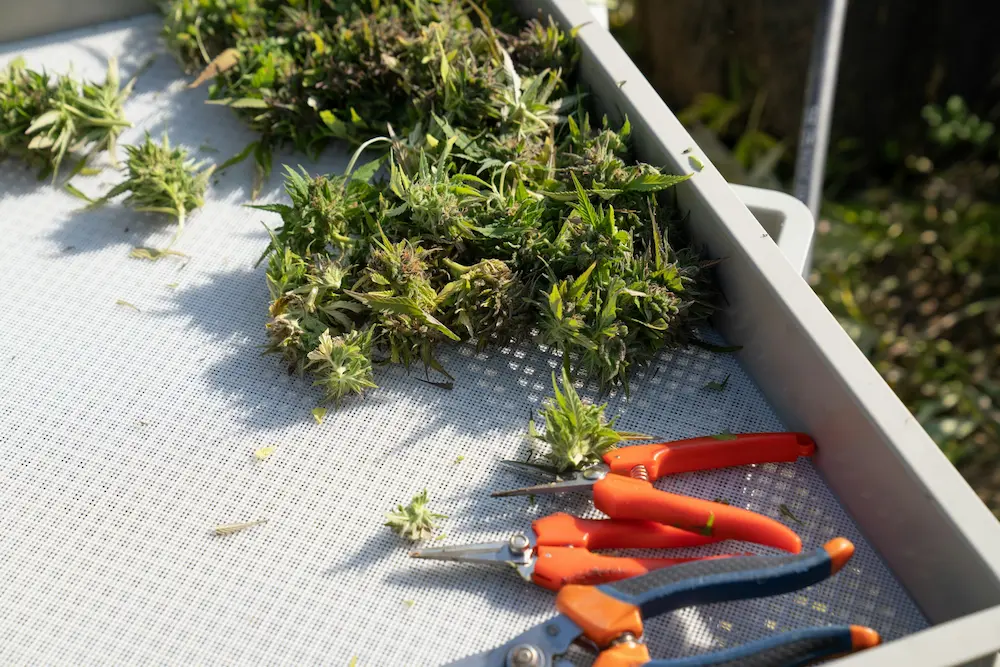
- The Final Manicure: Once the stems snap (indicating they are ready for curing), go back in for a quick, precise dry trim. Doing this over a dedicated multi-layer herb trimming bin with a 150-micron sifter screen will ensure you catch every bit of stray kief instead of losing it on your tabletop.
This middle-ground approach prevents your drying room from becoming a mold trap, protects the delicate trichomes during the initial drying phase, and makes the final cleanup much faster than a standard dry trim.
Factoring in Your Climate and Environment
Your geographic location and local climate play a massive role in dictating which trimming method you should ultimately use.
If you live in a coastal area, a tropical climate, or a damp basement environment where relative humidity remains consistently high, wet trimming is usually your safest bet. Removing the foliage eliminates excess water weight, drastically reducing the window of opportunity for mold and mildew to ruin your harvest.
Conversely, if you live in a dry desert climate or experience low humidity during harvest season, dry trimming is often preferred. In dry air, exposed buds dry out within two or three days, ruining the cure. Leaving the fan leaves attached acts as an umbrella, slowing down the evaporation rate and keeping your flowers safe from a harsh, rapid flash-drying process.
Protecting Your Trichomes and Maximizing Harvest Value
No matter which path you choose, keep your focus squarely on the trichomes. Those tiny, mushroom-shaped crystal glands are where all your cannabinoids (THC, CBD) and precious terpenes live.
Rushing through the process, tossing branches carelessly into bins, or aggressively scraping buds against scissors will shatter these glands, diminishing your overall potency, aroma, and bag appeal. Always handle your colas by the stems, keep a bottle of isopropyl alcohol nearby, and equip yourself with a pair of precision micro-tip trimming scissors or non-stick titanium curved pruners to make clean cuts without chewing up your flower..
Treat your harvested flowers with the respect they deserve after months of hard work. Whether you are managing a controlled environment or cultivating under the sun, make sure to read our comprehensive comparison on growing cannabis indoors vs. outdoors to optimize your next cycle from seed to harvest.
And remember: once the trimming is finished, don't throw away your trim bins or waste your leftover material! Sugar leaves and residual trim are packed with sticky trichomes, making them prime material for crafting high-quality bubble hash, homemade tinctures, concentrates, or potent edibles. Stay creative, take your time, and keep it green!