


Overindulged on Cannabis? Your Emergency Step-by-Step Guide to Sobering Up Safe and Fast
It usually starts quietly. Maybe you ate a second gummy because the first "wasn't working," or perhaps you took a hit off a vape strain with a higher THC concentration than you were used to. Suddenly, your heart rate speeds up, your throat feels dry, the room starts swirling, and a cold wave of panic washes over your chest.
If you are reading this while currently feeling way too high, pause and take a deep breath.
You are safe. Nobody has ever had a fatal overdose from cannabis alone. What you are experiencing is a temporary physiological response known in dispensary culture as "greening out." While it feels extremely intense, uncomfortable, and endless in the moment, it is 100% temporary and will pass.
This guide will demystify the terminology, explain the biology of why this happens, and provide immediate, actionable techniques to help you ground your mind and soothe your body right now.
Demystifying the Jargon: What Is a "Greenout"?
In the cannabis community, "greening out" refers to the physical and psychological distress caused by consuming more Delta-9-tetrahydrocannabinol (THC) than your endocannabinoid system can comfortably process at one time.
When THC enters your bloodstream, it binds to CB1 receptors in the central nervous system, particularly in regions that regulate motor control, memory, sensory perception, and emotional response (like the amygdala). When those receptors are flooded simultaneously:
- Physiological distress occurs: You may experience dizziness, nausea, sweating, pale skin, cold chills, or mild tremors.
- Psychological distress occurs: You might experience heightened anxiety, racing thoughts, time distortion, paranoia, or a feeling of detachment from your body (depersonalization).
Inhalation vs. Edibles: Why Edibles Hit Harder
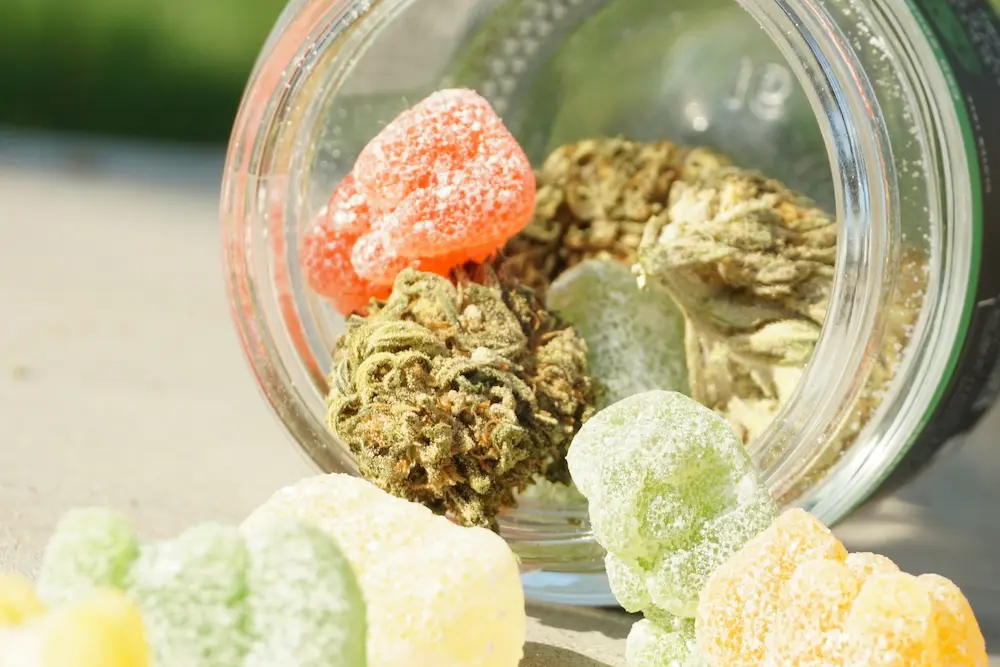
Understanding howq you consumed cannabis helps manage your timeline and expectations.
When you smoke or vape, THC enters the lungs and absorbs directly into the bloodstream, reaching peak brain concentration in 15 to 30 minutes. The high is intense quickly, but it wanes relatively fast.
When you consume edibles, THC passes through your digestive tract and travels to the liver. There, enzymes metabolize THC into 11-hydroxy-THC. This metabolite is significantly more potent, crosses the blood-brain barrier much more efficiently, and lasts much longer in the body. Edibles can take 45 to 120 minutes to kick in and can peak for hours.
| Consumption Method | Onset Time | Peak Intensity | Typical Duration |
|---|---|---|---|
| Inhalation (Smoke/Vape) | 2 to 10 minutes | 15 to 30 minutes | 1 to 3 hours |
| Edibles (Gummies/Baked) | 45 to 120 minutes | 2 to 4 hours | 4 to 8+ hours |
| Sublingual (Tinctures) | 15 to 45 minutes | 45 to 90 minutes | 2 to 5 hours |
What to Do Immediately: The "Emergency Kit" for Too Much THC
While no magic switch exists to instantly wipe THC out of your blood chemistry, several biological and psychological mechanisms can reduce the intensity of your high and help you feel in control again.
1. Leverage CBD as a Counter-Balance
If you have pure CBD (cannabidiol) on hand—whether in a tincture, gummy, or flower—use it now.
Pharmacologically, CBD functions as a negative allosteric modulator at the CB1 receptor site. In plain terms: CBD attaches to the receptor and subtly changes its shape, making it much harder for THC to bind effectively. Taking CBD can dampen the psychoactive severity of THC, dialing back panic and physical intensity. Look for pure CBD products with negligible THC content.
Find out more: What is CBD
2. The Black Peppercorn Trick
One of the most famous dispensary insider hacks is smelling or chewing whole black peppercorns.
This isn't just an old wives' tale; it relies on aromatic terpenes. Black pepper is dense in beta-caryophyllene, a spicy terpene that interacts directly with CB2 receptors in the endocannabinoid system. Additionally, the sharp, pungent sensory stimulus of black pepper helps disrupt the psychological panic loop, redirecting your brain's focus back to sensory reality.
- How to use it: Gently crush a few whole black peppercorns and inhale the aroma, or carefully chew on one or two whole peppercorns. Avoid inhaling pepper dust into your nasal passages to prevent coughing.
3. Hydrate and Replenish (Without Alcohol or Caffeine)
Dry mouth ("cottonmouth") amplifies bodily anxiety by convincing your nervous system that you are dehydrated or in distress.
Drink cool water slowly in small sips. Electrolyte solutions, coconut water, or herbal teas (like chamomile or peppermint) work wonders. Avoid caffeine, which spikes heart rate and worsens anxiety, and never drink alcohol to calm down—alcohol significantly increases blood THC concentrations, escalating the high.
4. Eat a Light, Bland Snack
Low blood sugar can aggravate dizziness and lightheadedness during a greenout. Eating a mild, carbohydrate-rich snack—such as toast, crackers, a banana, or pretzels—helps settle the stomach, raises blood glucose, and gives your digestive system a grounded focus. Avoid excessively fatty foods immediately after taking an edible, as fats can sometimes accelerate further cannabinoid absorption.
Sensory Grounding Techniques to Stop Anxiety Fast
When THC triggers hyper-arousal in your nervous system, your mind gets trapped in an internal feedback loop ("My heart is beating too fast, which means something is wrong, which makes my heart beat faster"). Grounding techniques pull your focus out of your head and back into your physical surroundings.
The 5-4-3-2-1 Sensory Method
Sit in a comfortable chair, place both feet flat on the floor, look around the room, and quietly identify:
- 5 things you can see: (e.g., a lamp, your shoes, a picture frame, a spot on the rug, a chair leg)
- 4 things you can physically feel: (e.g., the weight of your feet on the floor, the texture of your jeans, the cool air on your skin)
- 3 things you can hear: (e.g., a humming refrigerator, passing cars outside, your breathing)
- 2 things you can smell: (e.g., lemon peel, black pepper, fresh laundry)
- (e.g., a sip of water, toothpaste, mint)
Box Breathing for Heart Rate Control
To calm a racing pulse, regulate your autonomic nervous system using a simple breath pattern:
- Inhale slowly through your nose for 4 seconds.
- Hold your breath at the top for 4 seconds.
- Exhale smoothly through your mouth for 4 seconds.
- Hold empty at the bottom for 4 seconds.
- Repeat for 3 to 5 minutes.
Cold Temperature Reset
If panic feels overwhelming, introduce a sharp, non-damaging physical contrast. Splash cold water on your face, hold an ice cube in your hands, or place a damp, cool washcloth over the back of your neck. Cold exposure stimulates the vagus nerve, triggering a physiological parasympathetic response that naturally lowers heart rate.
Navigating Dispensaries and Preventing Future Greenouts
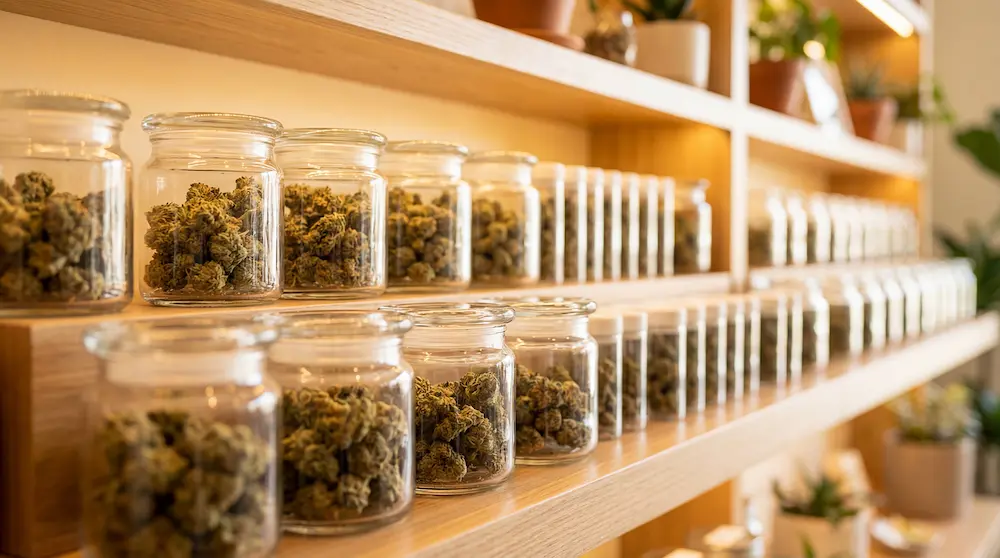
First-time dispensary visitors often feel intimidated by technical jargon, long product menus, and the pressure to choose the "right" product. Preventing a bad experience starts before you ever take your first hit or bite.
1. Talk to Your Budtender Without Fear
Budtenders are there to guide you, not judge you. When visiting a shop, be upfront about your experience level:
- "I am brand new to cannabis and want something very mild for relaxation."
- "I have a low tolerance and want to avoid anything that triggers anxiety or paranoia."
2. Understand Cannabinoid Ratios
Don't just buy the product with the highest THC percentage. High percentages (25%+ in flower, 80%+ in vapes) are designed for long-term consumers with significant tolerance. Instead, ask for balanced 1:1 or 2:1 (CBD to THC) products. CBD moderates the intensity of THC, providing a smoother, far more forgiving introductory experience.
3. Master the "Low and Slow" Edible Rule
If you are new to edibles, ignore the standard 10mg serving size listed on many commercial packages.
- Micro-dose starting point: Start with 1.5mg to 2.5mg of THC.
- Patience protocol: Wait at least two full hours before considering taking any more. Edible absorption varies wildly depending on your metabolism, stomach contents, and hydration.
Key Takeaway for Your Next Experience
Being "too high" is simply a temporary surplus of THC in your body's endocannabinoid receptors. By prioritizing low-dose products, keeping pure CBD on hand, utilizing sensory grounding routines, and giving yourself permission to curl up under a warm blanket with water, you can navigate any unexpected overindulgence with total confidence.