
Rethinking Edibles: Why Cannabinoid Infused Sweeteners Are Changing the Game
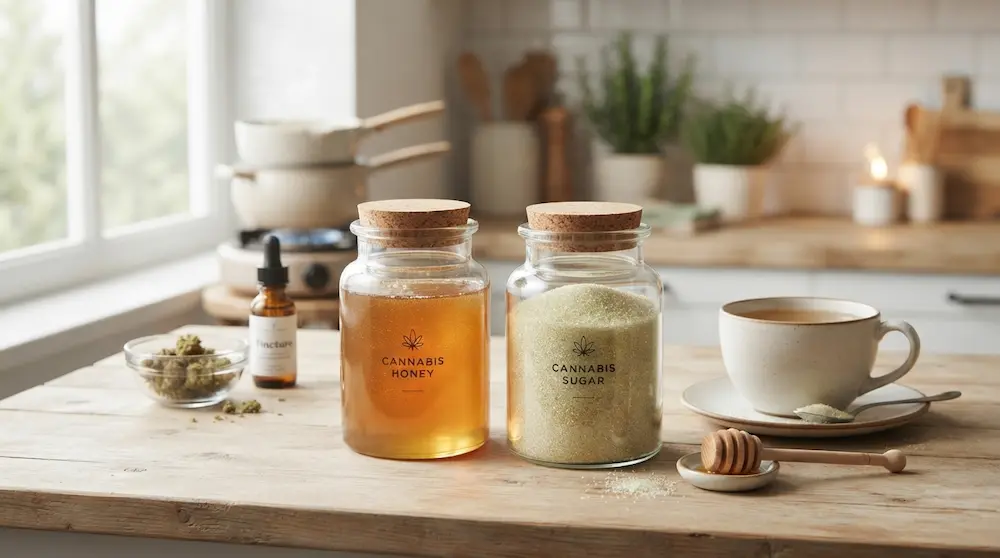
The world of cannabis edibles has evolved far beyond the classic, heavy brownie or the butter-soaked cookie. While cannabutter remains a staple of traditional baking, it isn't always the ideal vehicle when you want a light, clean touch of sweetness without altering the delicate texture of a pastry, or when you are simply looking to elevate your morning routine. Enter cannabinoid sugar and honey. These two pantry staples bridge the gap between gourmet culinary arts and precise micro-dosing. They dissolve cleanly into beverages, integrate smoothly into light baking, and offer an alternative for cannabis enthusiasts who want complete control over how they consume their cannabinoids.
What is Cannabis Sugar?
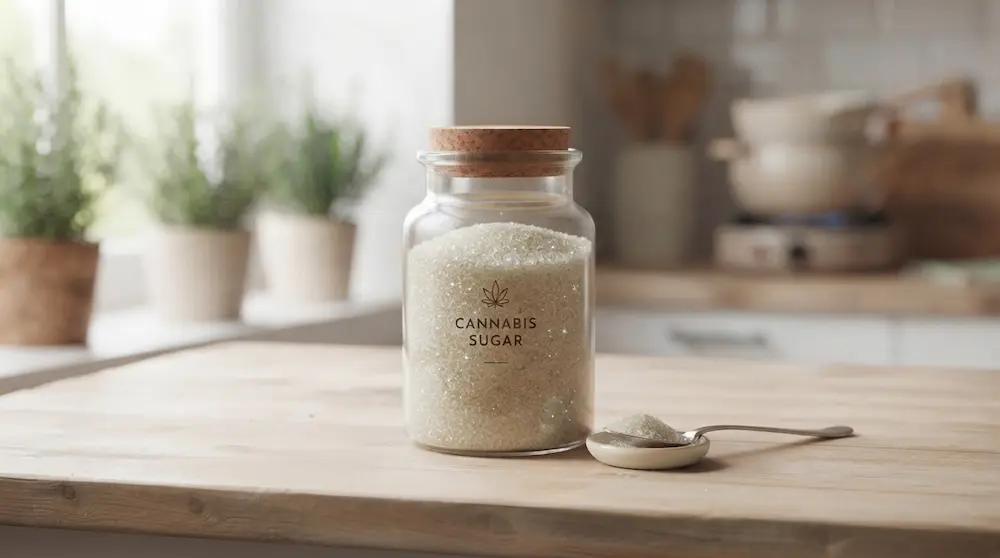
Cannabis sugar (frequently called cannasugar) is ordinary granulated white sugar that has been coated with extracted cannabinoids dissolved in a high-proof solvent, typically food-grade ethanol like Everclear. Once the alcohol evaporates entirely, it leaves behind a microscopically thin film of active cannabinoids bonded directly to each individual sugar crystal.
Unlike homemade cannabutter—which carries plant fats, chlorophyll, and a distinct herbal flavor—properly made cannasugar is remarkably neutral. It looks, measures, and behaves just like regular sugar. You can swap it in a 1:1 ratio for standard sweetener in your recipes, making it one of the most versatile formats for custom-dosed creations.
Learn how to make cannabutter with our comprehensive guide, or if you're feeling adveturous, check out how to make cannabis oil or cannabis tinctures.
What is Cannabis Honey?
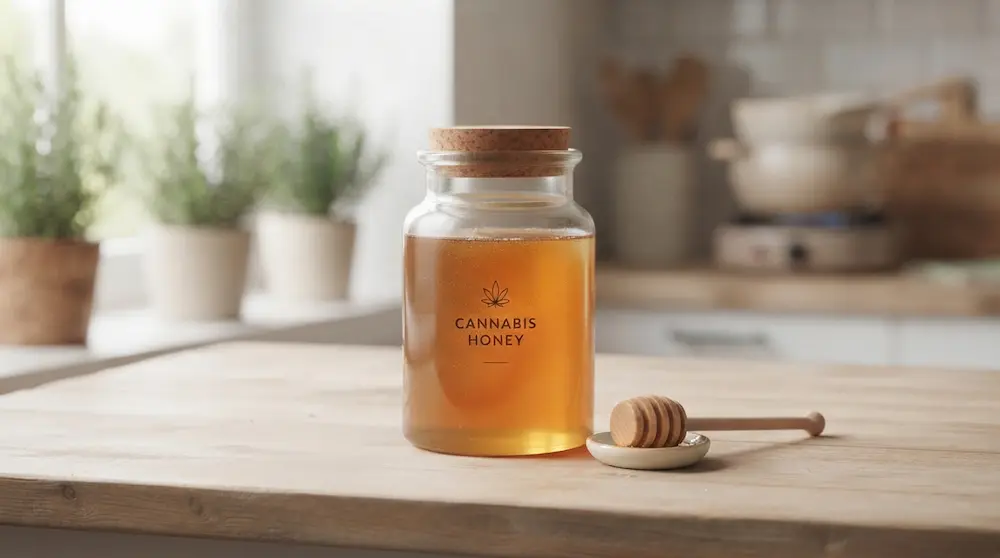
Cannabis honey (or cannahoney) is an infusion of raw or commercial honey blended directly with activated cannabis extract or whole flower. Because honey is naturally thick, shelf-stable, and packed with complex sugars, it acts as a phenomenal natural carrier for cannabinoids.
Honey carries a rich flavor profile that naturally masks the earthy undertones of cannabis. When stirred into warm liquids, it dissolves effortlessly, delivering a soothing, fast-acting edible experience that has made it a favorite for evening wind-downs or morning wellness tonics.
Why Choose Sugar and Honey Over Traditional Edibles?
Traditional fat-based edibles rely on butter or heavy cooking oils to bind cannabinoids. While fats are necessary for the body to metabolize THC efficiently, they come with significant culinary limitations:
- Texture Distortion: Heavy fats change the crumb structure of light cakes, meringues, and delicate pastries, often making them dense or greasy.
- Beverage Incompatibility: Oil and water do not mix. Dropping cannabutter into coffee results in an unappealing pool of grease floating at the top of your mug.
- Caloric Density: Butter and oils add heavy fats to items where you might just want clean sweetness.
Cannabinoid sugar and honey bypass these obstacles entirely. They dissolve instantly in hot and cold liquids, integrate seamlessly into light baking, and allow you to enjoy a precise dose of cannabinoids without compromising the integrity of your food.
How to Make Cannabis Sugar
Making cannasugar at home is a straightforward chemistry project. The key to a clean, non-grassy final product is using a high-proof alcohol tincture rather than simmering plant matter directly in the sugar.
Ingredients & Equipment
- 1 cup white granulated sugar (fine white sugar yields the cleanest visual result)
- ½ cup high-proof food-grade alcohol (190-proof / 95% ethanol, such as Everclear; do not use standard 80-proof vodka)
- 3 to 5 grams of cannabis flower (or an equivalent amount of concentrate/isolate for a cleaner flavor)
- Baking sheet, parchment paper, glass baking dish, and a fine mesh strainer or cheesecloth
Step-by-Step Instructions
- Decarboxylate the Cannabis: Preheat your oven to 225°F (105°C). Break your flower down into medium-fine pieces, spread them evenly across a parchment-lined baking sheet, and bake for 30 to 40 minutes. This crucial step activates the raw cannabinoids (converting THCA into active THC).
- Create the Tincture: Place your decarboxylated cannabis into a glass mason jar and pour the high-proof alcohol over it until fully submerged. Seal the jar and shake it vigorously for several minutes. For a cleaner taste, freeze both the alcohol and the cannabis beforehand to minimize chlorophyll extraction. Read a more detailed guide on making cannabis tincture
- Strain the Mixture: Pour the liquid through a cheesecloth or fine-mesh strainer into a bowl, squeezing out as much liquid as possible while discarding the plant matter.
- Combine with Sugar: Pour your strained tincture directly into the cup of granulated sugar in a wide glass baking dish. Stir thoroughly. The mixture will look like a wet, golden paste.
- Evaporate the Alcohol: Spread the mixture into a thin, even layer across the dish. Place it in a well-ventilated area away from open flames, or use a low-heat oven (around 170°F to 200°F) or a food dehydrator. Stir periodically.
- Finish and Store: Once the alcohol has completely evaporated and the sugar is bone-dry (this can take anywhere from 4 hours to overnight), break up any clumps with a fork or a coffee grinder. Store your finished cannasugar in an airtight glass container.
How to Make Weed Honey
Infusing honey is even simpler than making sugar because it does not require solvents or evaporation steps. However, it does require strict temperature control to preserve the delicate natural properties of the honey.
Ingredients & Equipment
- 1 cup raw or local honey
- 3.5 grams of cannabis flower
- Double boiler (or a heat-safe bowl set over a pot of simmering water)
- Cheesecloth or a fine-mesh metal strainer
Step-by-Step Instructions
- Decarboxylate Your Cannabis: Just like with sugar, you must activate your cannabis first. Bake your ground flower on a parchment-lined tray at 225°F (105°C) for 30 to 40 minutes until lightly golden and aromatic.
- Set Up a Double Boiler: Fill your bottom pot with a couple of inches of water and bring it to a gentle simmer. Place your top pot or heat-safe bowl securely on top.
- Infuse on Low Heat: Combine your honey and decarboxylated cannabis in the top vessel. Keep the temperature low—ideally maintaining the honey below 130°F (and strictly under 160°F) to prevent scorching the sugars or destroying the delicate terpenes and cannabinoids. Let the mixture steep gently for 40 to 60 minutes, stirring occasionally.
- Strain and Bottle: Remove the mixture from the heat and allow it to cool slightly so it is safe to handle. Pour the warm honey through a cheesecloth or fine-mesh strainer into a clean glass jar. Squeeze the cloth to extract every last drop.
- Storage: Seal tightly and store in a cool, dark cupboard. Properly stored cannabis honey can remain potent and delicious for up to 6 to 12 months.
Culinary Applications: How to Use Them
The primary advantage of these infusions is their effortless integration into everyday culinary life.
- Morning Beverages: Stir half a teaspoon of cannabis honey or a spoonful of cannasugar directly into your morning coffee, black tea, matcha latte, or herbal tea. The heat of the drink dissolves the sweetener instantly while providing an energetic or relaxing start to your day.
- Light Baking: Use your cannasugar in recipes where heavy fats ruin the texture—such as delicate shortbreads, homemade marshmallows, hard candies, or light sponge cakes.
- Glazes and Drizzles: Warm cannabis honey makes an incredible glaze for roasted root vegetables, a sweet drizzle over morning Greek yogurt and granola, or a binder for homemade energy bites and granola bars.
- Cocktails and Mocktails: Cannasugar makes a stellar rim for cocktail glasses, while cannahoney can be easily whisked into fresh lemon juice and warm water for an infused hot toddy or an iced mocktail.
Smart Dosing and Safety
Because cannabis sugar and honey blend so smoothly into food and drink, it is dangerously easy to lose track of how much you are consuming. Edibles processed through the digestive tract also take longer to kick in—typically 45 to 90 minutes—and produce effects that last significantly longer than smoked or vaped cannabis.
Always start low and go slow. Test a quarter to a half teaspoon of your final creation and wait at least an hour and a half before deciding to consume more. By taking the time to craft your own cannabinoid sweeteners, you unlock a world of clean, precise, and delicious culinary possibilities that keep your kitchen light and your dosing entirely under control.