
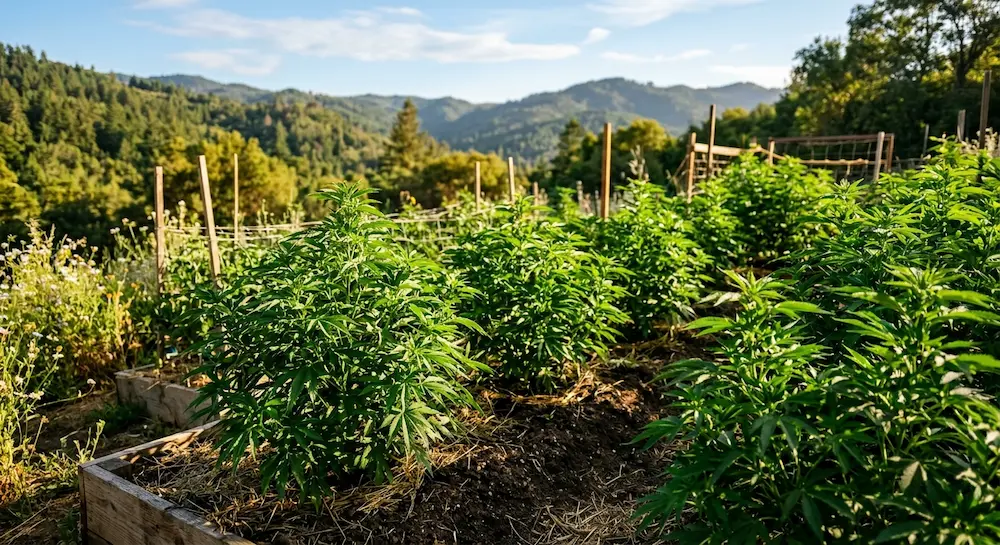

Why Outdoor Cannabis Craves Organic Nitrogen in the Vegetative Stage
There is a distinct kind of heartache that comes with stepping out into your outdoor garden on a warm mid-summer morning, only to find your lush green cannabis plants showing alarming signs of pale yellowing. If your weed plants are still deep in their vegetative growth cycle, bursting toward the sun, and suddenly the lower fan leaves begin to turn a uniform, sickly yellow before withering and dropping off, you are likely facing a classic agricultural hurdle: a nitrogen deficiency.
For outdoor organic growers, encountering this problem can trigger a reflex to reach for a quick-fix chemical bottle from the local hydro store. But if you have built your cultivation philosophy around living soil, natural amendments, and the purity of sun-grown cannabis, synthetic bottled nutrients are off the table. Chemical salts offer a temporary band-aid, but they ultimately disrupt the delicate microbial ecosystem that gives organic cannabis its legendary terpene profile and complex flavor.
Fortunately, fixing an organic nitrogen fix for outdoor cannabis soil does not require laboratory-derived chemicals. Mother Nature has provided a vast array of organic, low-cost amendments, biological inputs, and soil-building techniques that can restore your plants to vibrant, deep green health without compromising your organic integrity.
Understanding Nitrogen and Its Role in Vegetative Growth
To solve a nutrient deficiency, it helps to understand why your plants are crying out for help in the first place. Nitrogen ($N$) is the primary macronutrient required during the vegetative phase of cannabis cultivation. Along with phosphorus and potassium, it forms the famous N-P-K ratio found on fertilizer labels, but nitrogen takes the lion’s share of importance during the leafy, structural growth phase.
Nitrogen is a fundamental building block of chlorophyll, the pigment that captures sunlight and drives photosynthesis. Without adequate nitrogen, your plant cannot manufacture the energy it needs to expand its branches, build sturdy stalks, and push out new leaf sets. Furthermore, nitrogen is a core component of amino acids, proteins, and nucleic acids. It dictates the overall vigor, size, and leaf density of your outdoor plants.
When you grow cannabis outdoors in the ground or in large raised beds, the sheer scale of the plant can easily outstrip the natural nutrient reserves in the native soil. Unlike indoor container growers who control every drop of water and nutrient, outdoor growers deal with heavy summer rains that leach mobile nutrients like nitrogen deep past the root zone. As the plant expands its root network and accelerates its metabolism under the unyielding power of the sun, it can completely mine a soil bed of its available nitrogen in a matter of weeks.
Correctly Diagnosing Yellow Leaves on Outdoor Weed in Veg
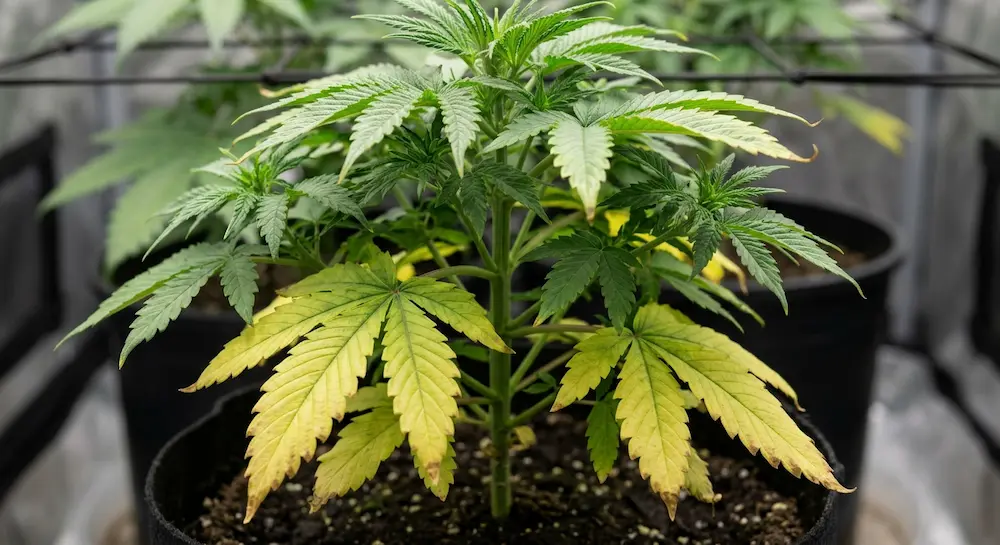
Before dumping amendments onto your soil, you must confirm that you are dealing with a true nitrogen deficiency rather than another issue that mimics its symptoms. One of the most common mistakes growers make is misdiagnosing natural senescence, overwatering, or root-bound containers as a nutrient shortage, leading to accidental nutrient burn from over-amending.
A true nitrogen deficiency is mobile within the plant. When nitrogen becomes scarce, the plant cannibalizes its own older tissues to feed its actively growing shoot tips. Consequently, the symptoms always start at the bottom of the plant and work their way upward. The oldest fan leaves near the base will gradually lose their deep green luster, turning a pale yellowish-green, then a bright canary yellow, before turning completely papery and dropping off with a gentle tug.
If your plant is yellowing from the top down, or if the leaves are showing brown necrotic spots, clawing downward, or curling at the tips, your problem is likely not a nitrogen deficiency. Top-down yellowing typically points to immobile micronutrient deficiencies like iron or sulfur, while clawing and dark green leaves signal nitrogen toxicity. Take time to inspect your entire plant, check your soil moisture, and ensure your drainage is functioning properly before taking corrective action.
The Living Soil Philosophy vs. Synthetic NPK
If you have committed to growing organically, you are likely already familiar with the adage: "Feed the soil, not the plant." Synthetic fertilizers deliver macronutrients in immediate, ionic forms that the plant can absorb instantly. While fast-acting, these chemical salts strip the soil microbiome of beneficial bacteria and fungi, creating a cycle of dependency where the plant relies entirely on you for its next meal.
In contrast, organic growing relies on a complex underground food web. Organic nitrogen is rarely available to plants in its raw form; it must be broken down by beneficial soil microbes, protozoa, and earthworms into plant-available nitrates and ammonium. Therefore, fixing a nitrogen deficiency organically is twofold: you must introduce nitrogen-rich organic matter, and you must foster the biological activity required to process it.
When outdoor soil lacks nitrogen during vegetative growth, you need solutions that range from immediate liquid relief to long-term slow-release amendments. Let us examine the most effective, low-cost organic options available to the dedicated outdoor grower.
Fast-Acting Organic Nitrogen: Liquids and Teas
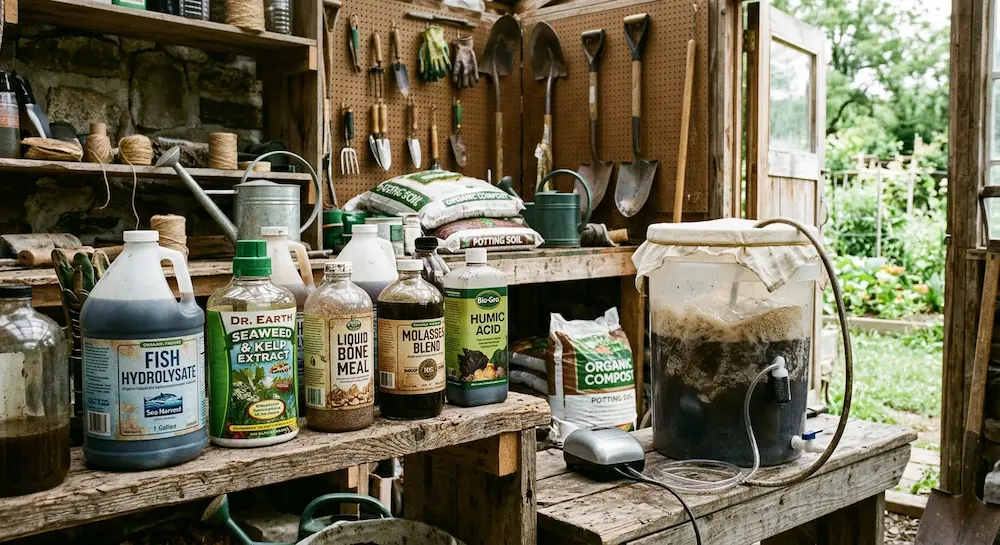
When your outdoor plants are undergoing aggressive vegetative growth and showing advanced yellowing, waiting weeks for dry amendments to break down can result in stunted growth and lost yield. You need fast-acting organic nitrogen that can be absorbed rapidly through the roots or even foliar-fed in a pinch.
Fish Hydrolysate and Fish Emulsion
Derived from whole fresh fish or fish processing byproducts, fish hydrolysate is arguably the holy grail of organic nitrogen for cannabis. Unlike fish emulsion, which is often heat-treated and stripped of many beneficial oils and proteins, cold-processed fish hydrolysate retains its natural amino acids, vitamins, and micronutrients. It provides a potent dose of readily available organic nitrogen that revives pale, hungry plants within days.
When applying fish hydrolysate to outdoor soil, dilute it according to package instructions—usually a couple of tablespoons per gallon of chlorine-free water—and drench the root zone. Be prepared for a distinct, earthy fish aroma in your garden for a day or two, which is a small price to pay for the explosive green-up that follows.
Aerated Compost Teas
If you want to simultaneously boost your soil's nitrogen levels and supercharge its microbial population, brewing an aerated compost tea is an exceptional strategy. By taking rich, aged worm castings or high-nitrogen compost, placing it in a fine mesh bag, and bubbling it vigorously in a bucket of dechlorinated water with a bit of blackstrap molasses for 24 to 48 hours, you cultivate billions of beneficial bacteria and fungi.
This living tea acts as a liquid organic fertilizer. The microbes rapidly break down complex nitrogen compounds into bio-available plant food, while the liquid itself coats the root zone with protective, nutrient-cycling biology. Pouring a fresh brew around the base of your outdoor cannabis plants delivers a gentle, highly effective nitrogen boost that cannot burn your roots.
Slow-Release Organic Top-Dressings
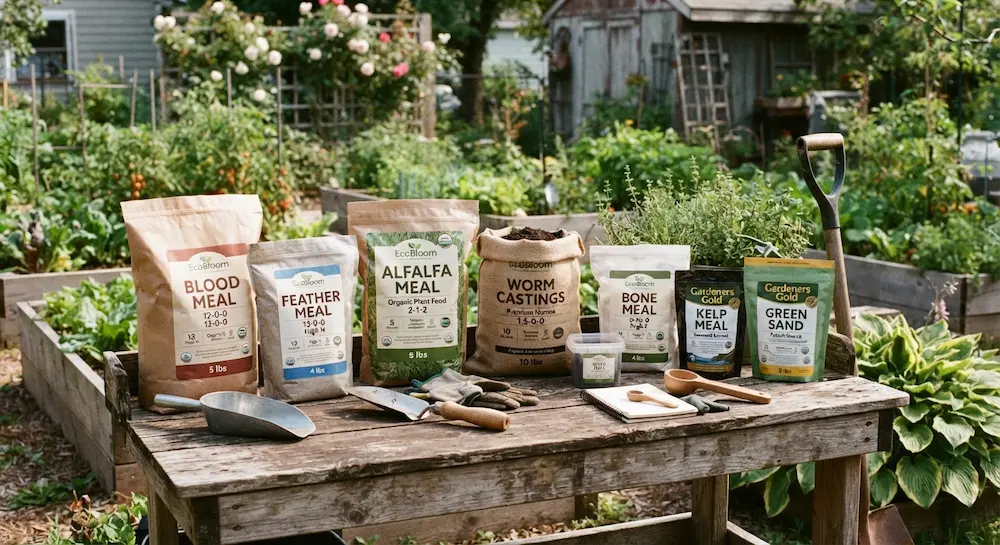
While liquid inputs provide immediate relief, outdoor plants in long vegetative cycles require a sustained supply of nitrogen to prevent recurring deficiencies. Dry, organic top-dressings provide a steady, slow-release stream of nutrition that breaks down over weeks or months.
Blood Meal
For pure, concentrated organic nitrogen, few amendments rival blood meal. Sourced from dried, powdered slaughterhouse blood, blood meal boasts an N-P-K ratio of roughly 12-0-0, making it one of the most nitrogen-dense organic fertilizers on earth.
Applying blood meal requires caution and discipline. Because it is so potent and fast-acting for a dry amendment, over-application can easily burn your cannabis roots or attract unwanted pests with its strong odor. Scratch a light layer into the top inch of your soil around the drip line of your plant, and water it in thoroughly. It will begin breaking down rapidly, feeding both the microbes and the plant.
Feather Meal and Alfalfa Meal
If you prefer a gentler, longer-lasting nitrogen source that poses zero risk of burning your plants, feather meal and alfalfa meal are stellar choices. Feather meal sits around 11-0-0 in N-P-K, but its proteins require slightly more microbial breakdown, offering a sustained release over several weeks.
Alfalfa meal (roughly 3-1-2) is another favorite among organic outdoor growers. Alfalfa contains natural plant growth hormones called triacontanol, which stimulate robust root development and branching while supplying a steady stream of gentle nitrogen. You can top-dress alfalfa meal directly onto the soil or steep it into a rich tea.
Worm Castings
Worm castings are the ultimate organic soil conditioner. While their nitrogen content is relatively modest compared to blood meal, castings are packed with humic acids, beneficial enzymes, and dormant microbial life. Top-dressing your outdoor beds with a generous two-inch layer of pure earthworm castings provides a safe, foolproof cushion of slow-release nitrogen that improves soil structure, enhances moisture retention, and buffers pH.
Application Best Practices for Outdoor Growers
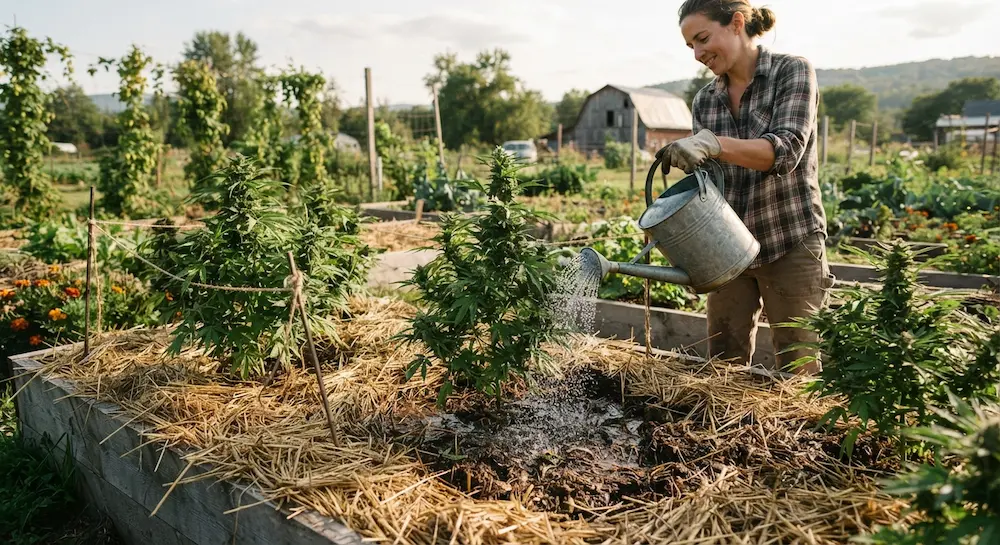
Successfully amending your outdoor soil involves more than just dumping materials onto the ground. Proper technique ensures your amendments integrate seamlessly into the soil food web.
When top-dressing dry amendments like blood meal or alfalfa meal, always gently scratch or rake them into the top layer of soil rather than leaving them sitting exposed on the surface. Exposed organic matter can dry out, mold, or attract flies and neighborhood animals. Once scratched in, water the area thoroughly with a watering can or garden hose. Water is the catalyst that activates soil microbes; without moisture, dry amendments remain inert.
Furthermore, maintain a thick layer of organic mulch—such as straw, chopped leaves, or shredded bark—over your amended soil. Mulch protects the delicate top layer from baking under the harsh sun, prevents beneficial microbes from dying off due to UV exposure, and locks in the moisture essential for nutrient cycling.
Conclusion
Fixing a nitrogen deficiency in outdoor cannabis soil organically is an exercise in working with nature rather than forcing it. By ditching synthetic bottled nutrients and turning to time-tested amendments like fish hydrolysate, blood meal, compost teas, and worm castings, you do more than just green up fading leaves. You cultivate a thriving, resilient living soil ecosystem that supports your plants through their most vigorous vegetative stretches and sets the stage for a heavy, aromatic, and terpene-rich harvest when autumn arrives.