

Beating the Autumn Crunch: Why Late Summer Moisture Is Every Grower’s Greatest Test
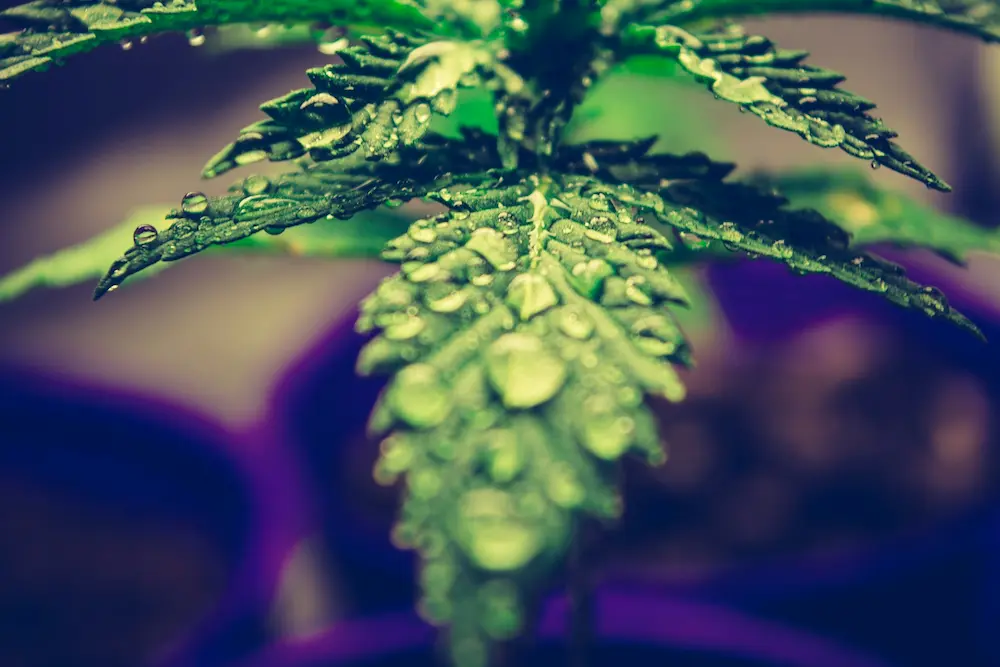
As late summer approaches, outdoor cannabis cultivators face one of the most stressful phases of the growing season: the transition from peak vegetative growth and early flowering into the heavy density of mature colas. For many growers, this period coincides with unpredictable weather patterns—sudden downpours, relentless morning dew, dense fog, and sustained high humidity.
While cannabis plants love sunshine and warmth, late-summer moisture is public enemy number one. When heavy rainfall and high humidity strike plants that are packed with thick, resinous buds, the risk of catastrophic crop loss skyrockets. Pathogens like Botrytis cinerea (bud rot) and powdery mildew can decimate months of hard work in a matter of days.
This comprehensive guide explores why late-summer rain and humidity pose such a severe threat, how to proactively and reactively protect your outdoor crop, and strategies to salvage your harvest if moisture strikes.
Understanding the Threat: Why Late Summer Moisture is Dangerous
To successfully protect your outdoor cannabis garden, you must first understand the physiological vulnerabilities of the plant during its final weeks.
1. The Anatomy of Modern Cannabis Colas
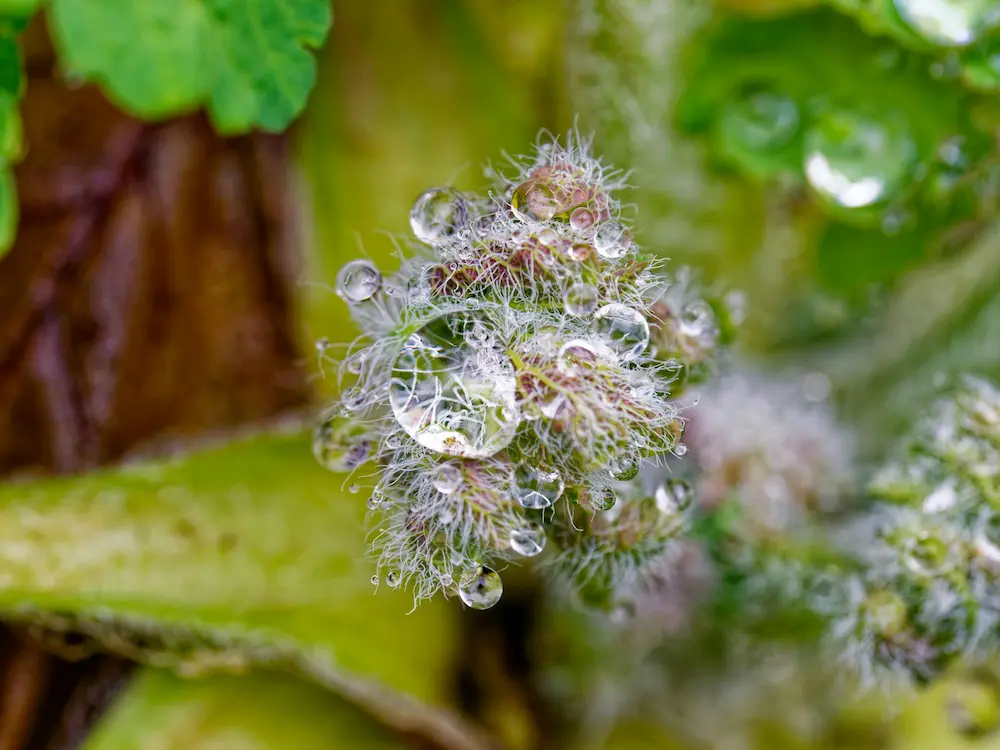
Modern cannabis breeding has yielded plants with incredibly dense, tight, heavy colas designed to maximize yield and bag appeal. While visually stunning, these dense flower clusters act as natural moisture traps. When it rains, water droplets become lodged deep within the crevices of the bud.
Learn more about the anatomy of cannabis plant
2. Microclimates Within the Canopy
As plants reach their maximum size in late summer, the canopy becomes thick and bushy. Air circulation drops significantly inside the canopy, creating a localized microclimate. When high ambient humidity or rain occurs, the trapped moisture cannot easily evaporate. Combined with the plant's natural respiration, this creates a warm, stagnant, humid environment—the exact breeding ground that fungal spores adore.
3. The Fungal Invaders
- Bud Rot (Botrytis cinerea): This is every outdoor grower’s worst nightmare. Botrytis starts on the inside of the cola, feeding on dying plant tissue or moisture pockets, and works its way outward. By the time you notice grey, dead, or brown patches on the outside of a bud, the rot is usually well-established internally.
- Powdery Mildew (PM): Thriving in humid, stagnant air without requiring actual liquid water on the leaves, powdery mildew coats fan leaves in a white, talcum-powder-like substance, inhibiting photosynthesis and stunting plant vigor.
Proactive Strategies: Preparing Before the Weather Turns
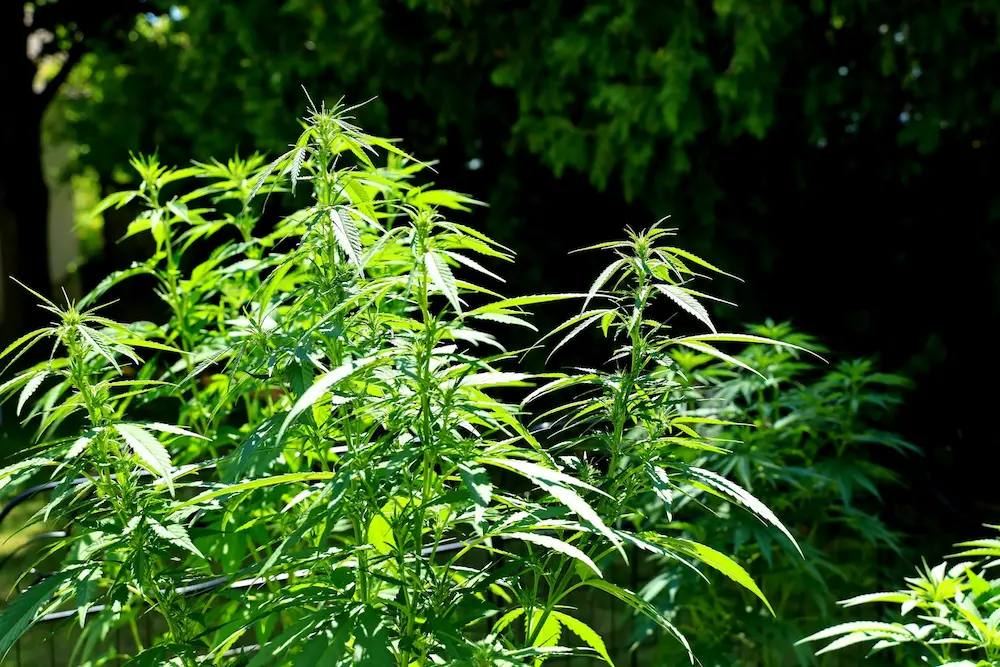
The best defense against late-summer moisture is preparation. By setting up your garden correctly long before the autumn rains arrive, you significantly lower your susceptibility to rot.
Strategic Strain Selection
If you live in a region known for wet, humid late summers or early autumns, your battle is won or lost in the seed catalog.
- Look for Resistance: Choose strains specifically bred for outdoor resilience, mold resistance, and fast flowering times.
- Avoid Ultra-Long Sativa Landraces: Pure Sativas that take until November to finish are generally unsuited for damp northern or temperate climates. Look for fast-finishing indicas, hybrids, or autoflowers that finish before the autumn equinox.
Browse cannabis seeds and get great deals
Canopy Management and Defoliation
Proper airflow is your strongest shield against humidity.
- Lollipopping and Pruning: Remove lower branches that receive little sunlight and poor airflow.
- Strategic Fan Leaf Removal: Thin out the interior of the canopy in late summer. While leaves are necessary for energy production, removing overlapping or excess fan leaves allows wind and sunlight to penetrate deep into the plant, drying out dew quickly in the mornings.
Smart Nutrition: Managing Nitrogen Levels
As plants transition into flowering, their nutritional needs shift drastically.
- Ease Up on Nitrogen: High nitrogen levels late in the season promote lush, dark green, succulent vegetative growth. Succulent tissues hold more water and are more susceptible to pest damage and fungal infections.
- Boost Potassium and Phosphorus: Focus on bloom boosters that strengthen cell walls and support heavy flower development without forcing watery, tender new growth. Silica supplements are also invaluable for building strong, rigid cell walls that resist lodging and moisture absorption.
Active Interventions During Rain and High Humidity Events

When a severe weather forecast calls for continuous rain or high humidity, active intervention can save your harvest.
Temporary Shelter and Hoop Houses
If your plants are in containers or grown in a manageable plot, providing physical cover is the most effective protection.
- Constructing Rain Covers: Use clear UV-resistant greenhouse plastic or poly sheeting supported by PVC pipes or metal hoops to build a temporary or permanent rain shelter over your plants.
- Ensure Ventilation: Never wrap your plants in plastic like a greenhouse without adequate airflow. If air cannot escape, condensation will form underneath the cover, creating a sauna effect that accelerates mold growth. Always keep sides open or install oscillating fans if using a permanent structure.
Shaking Off Excess Water
After a heavy downpour or dense morning fog, go out to your garden immediately.
- The Gentle Shake: Gently shake each major branch to dislodge heavy water droplets trapped in the colas.
- Leaf Blowers on Low: For larger operations, some commercial outdoor growers use leaf blowers on a low, cool setting to blow excess water off the canopy quickly before the sun hits and turns the garden into a steam bath.
Managing Ground Moisture
Rainwater doesn't just fall from the sky; it saturates the soil, which then evaporates upward into the canopy, raising relative humidity.
- Mulching: Cover bare soil around the base of your plants with straw, wood chips, or landscape fabric. This prevents moisture from evaporating directly from the mud into the lower canopy.
- Avoid Overwatering: During rainy periods, withhold all supplemental watering.
Post-Rain Maintenance and Monitoring
Once the storm passes, your work is far from over. Vigilance during the drying phase is critical.
Daily Inspection Protocols
Walk your garden every single day during late summer.
- Inspect the thickest colas closely. Look for any discoloration: sugar leaves turning yellow, brown, or grey, or a dull, lifeless appearance on the outer edges of a bud.
- Gently pull apart suspect colas to check the stem and interior structure.
Immediate Removal of Infected Tissue
If you discover bud rot, swift action is required to save the rest of the plant.
- Sanitize Tools: Keep a cup of rubbing alcohol or hydrogen peroxide nearby. Sterilize your pruning shears between every single cut.
- Cut Wide: Do not just snip off the visible rot. Cut at least 1 to 2 inches below the visible infection into healthy green tissue to ensure you remove all microscopic spores.
- Bag and Discard: Place infected material directly into a sealed plastic bag before removing it from the garden so you do not scatter spores onto healthy neighboring plants.
Harvesting Early: When to Pull the Plug
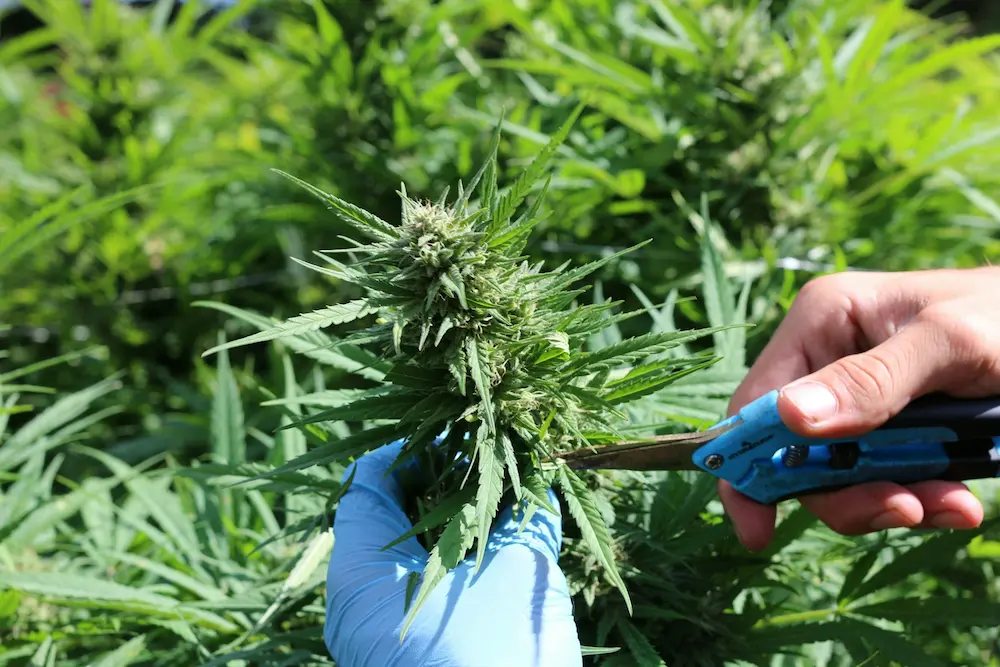
Sometimes, despite your best efforts, relentless rain and humidity leave you with no choice: mother nature forces your hand.
Assessing Trichome Maturity vs. Rot Risk
In a perfect world, growers wait until trichomes are mostly milky with a touch of amber. However, if daily rain is causing exponential bud rot, waiting for perfection can result in losing 100% of your crop.
- The Lesser of Two Evils: It is far better to harvest slightly early with clear-to-cloudy trichomes than to lose your entire harvest to mold. A slightly premature harvest provides usable medicine; completely rotted buds are worthless.
Wet Trimming Considerations in Humid Conditions
Normally, dry trimming is preferred for optimal flavor profiles. However, in extremely humid conditions:
- Wet Trim for Safety: Removing all fan leaves and sugar leaves at harvest exposes the maximum amount of bud surface area to air, accelerating the initial drying process and reducing the risk of mold taking over during the drying phase.
Read how to trim cannabis: wet vs dry
Summary Checklist for Late Summer Success
- Select resilient, fast-finishing genetics suited to your local climate.
- Thin the canopy in mid-to-late summer to maximize airflow and light penetration.
- Reduce nitrogen and supplement with silica and potassium to strengthen cell walls.
- Build rain covers or hoop houses if prolonged wet weather is forecasted.
- Shake heavy dew and rainwater off colas every morning.
- Inspect plants daily and aggressively excise any signs of bud rot with sterilized tools.
- Harvest early if weather conditions threaten total crop destruction.
By anticipating moisture challenges and taking decisive, proactive measures, you can successfully navigate late-summer weather and secure a clean, potent, and abundant outdoor harvest.
Learn to grow cannabis outdoors